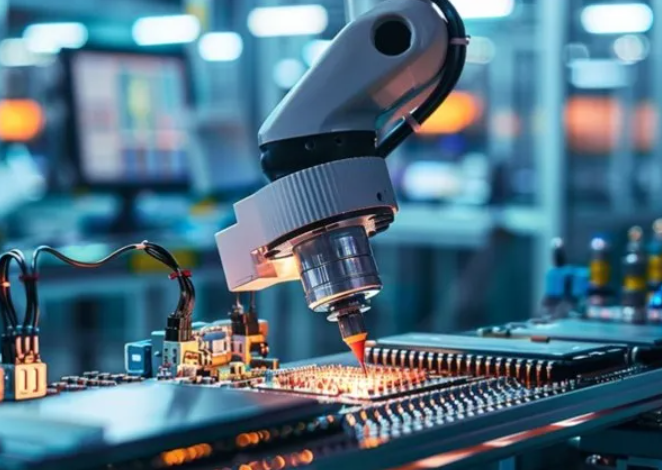
The computers and electronics industry continues to evolve at a rapid pace, influencing nearly every aspect of modern life. From high-performance computing systems to cutting-edge communication networks, the demand for more efficient, faster, and reliable technology drives continuous innovation. As digital transformation accelerates, components that were once considered niche now play critical roles in ensuring system performance and reliability.
The Importance of Precision Components
In complex electronic systems, precision components are crucial. They determine how effectively devices can process, transmit, and manage data. Even small improvements in components can have a significant impact on overall system performance. For instance, components designed for high-speed data transmission, signal integrity, and minimal loss are increasingly important in modern applications.
A fiber array is one such component that has become essential in optical communication systems. It allows multiple optical fibers to be precisely aligned and managed, improving data transfer efficiency and enabling high-bandwidth applications. These devices have transformed how networks handle growing volumes of data.
Fiber Technology in Modern Electronics
Optical technologies are at the forefront of the computers and electronics industry. The increasing need for high-speed internet, cloud computing, and large-scale data processing has made optical components indispensable. Fiber arrays, in particular, facilitate parallel signal transmission, ensuring that multiple channels can operate simultaneously without interference.
This technology is widely used in data centers, telecommunications, and research laboratories. By enabling precise alignment of multiple fibers, fiber array reduce signal loss and maintain the integrity of transmitted data. This is critical for systems where even minor signal degradation can affect performance.
Enhancing Data Center Efficiency
Data centers are the backbone of modern computing, supporting cloud services, online applications, and enterprise operations. Efficiency, speed, and reliability are paramount in these facilities. Advanced optical components, including fiber arrays, allow for high-density connectivity, reducing space requirements while increasing throughput.
By optimizing signal management, fiber arrays help data centers handle the growing demand for bandwidth without compromising performance. This capability is particularly important as emerging technologies like 5G, artificial intelligence, and big data analytics place increasing demands on infrastructure.
Signal Management and System Integration
Effective signal management is essential for the performance of complex electronic systems. Devices such as fiber arrays enable the precise routing and combining of optical signals, which is critical for maintaining system integrity. These components support seamless integration between different modules, allowing systems to operate efficiently and reliably.
In high-speed networks, multiple data streams must be transmitted simultaneously. Fiber arrays provide a structured solution for managing these streams, reducing interference and improving overall signal quality. This integration is essential for both commercial and industrial electronics applications.
See also: Advancing Metal Fabrication with Modern Bending Technology
Applications in Telecommunications
The telecommunications industry has been a major driver of innovation in electronics. High-speed communication networks rely on optical technologies to deliver fast and reliable data transfer. Fiber arrays are widely used in these systems to facilitate multi-channel connectivity and minimize signal loss.
From metropolitan networks to global undersea cables, fiber arrays ensure that large volumes of data can travel efficiently across complex infrastructures. This technology supports everything from video streaming and online gaming to financial transactions and critical business communications.
Industrial and Research Applications
Beyond consumer and commercial electronics, fiber arrays have significant applications in industrial and research environments. Laboratories and manufacturing facilities often require precise optical connections for testing, measurement, and monitoring purposes. Fiber arrays enable the alignment of multiple fibers in parallel, which improves both accuracy and reliability in these applications.
In research settings, fiber arrays are used in advanced imaging systems, spectroscopy, and high-speed measurement equipment. Their ability to maintain signal integrity and minimize crosstalk makes them indispensable in experiments where precision is critical.
Advancements in Design and Manufacturing
The development of fiber arrays has benefited greatly from advancements in materials and manufacturing techniques. High-precision machining, improved alignment methods, and low-loss materials have all contributed to better performance and durability.
Modern fiber arrays are designed for both flexibility and scalability, allowing them to be integrated into a wide range of systems. Innovations in packaging and connector design have also improved ease of use, making installation and maintenance more efficient for engineers and technicians.
Supporting Next-Generation Technologies
As technology continues to advance, the demand for faster and more reliable electronics will only grow. Emerging areas such as artificial intelligence, quantum computing, and 6G communications require highly efficient data transmission and precise signal management. Fiber arrays will play a key role in supporting these next-generation systems.
For example, in AI-driven data centers, the ability to transmit large volumes of information quickly and accurately is essential. Fiber arrays enable parallel processing of multiple data streams, reducing latency and increasing overall system throughput.
Balancing Performance and Sustainability
Sustainability is becoming an increasingly important consideration in electronics design. Efficient optical components, including fiber arrays, help reduce energy consumption by minimizing signal loss and improving system performance. This not only supports environmental goals but also reduces operational costs for data centers and industrial facilities.
Manufacturers are also exploring recyclable materials and energy-efficient production methods to further align electronics with sustainable practices. By combining performance and sustainability, the industry can continue to meet growing demands without compromising environmental responsibility.
Conclusion
The computers and electronics industry is constantly evolving, driven by the need for higher performance, efficiency, and reliability. Precision components such as fiber arrays have become critical in supporting modern systems, from data centers and telecommunications networks to industrial and research applications. By enabling high-density, low-loss optical connections, fiber arrays improve signal management and system integration, supporting next-generation technologies.
As innovation continues, the industry will rely on both advanced materials and intelligent design to meet growing demands. The combination of performance, efficiency, and sustainability ensures that computers and electronics will continue to shape our world, driving progress across industries and everyday life.
Fiber arrays exemplify how specialized components, often unseen by end-users, are essential in enabling the high-speed, high-capacity electronics systems that modern society depends on.