Key Takeaways
- The “lock-in effect” continues to shrink housing supply while keeping prices high.
- New technologies, including AI and virtual touring, are now integral to real estate transactions.
- Millennials and Gen Z buyers bring fresh preferences and expectations to the market.
- Smart homes and eco-conscious living spaces are in greater demand than ever before.
- Social media is revolutionizing how properties are marketed and discovered.
Table of Contents
- The Lock-In Effect and Its Impact on Inventory
- Accelerated Technology Integration in Real Estate
- Generational Shifts Influencing Market Dynamics
- The Rise of Smart Homes and Sustainable Designs
- Social Media’s Growing Influence in Property Marketing
- Adaptive Reuse: Transforming Commercial Spaces into Residences
- Climate Change and Its Implications for Property Insurance
- Conclusion
The real estate industry is experiencing remarkable changes in 2026, fueled by evolving technologies, new buyer expectations, and macroeconomic pressures. Understanding these emerging trends is critical for buyers, sellers, and real estate professionals who want to make informed decisions and maximize opportunities in this shifting market. Whether buyers are searching for cutting-edge amenities or sellers are grappling with fluctuating inventory, being ahead of the curve is invaluable.
One of the most prominent themes this year is how market participants, especially buyers, are leveraging both digital tools and expert local guidance to navigate changes. For those interested in prime property markets, an Aspen real estate agent Lex Tarumianz provides a good example of how seasoned professionals are adapting by integrating tech-driven marketing with personalized advice.
Real estate activity shows a pronounced shift in how properties are found, evaluated, and marketed. Buyers and sellers alike face both challenges and exciting new solutions due to rising mortgage rates, evolving demographics, and the growing demand for sustainable, innovative living environments. As digital transformation accelerates, so does the need for a savvy approach to buying and selling homes.
Throughout this article, you’ll discover insights on inventory constraints, technology’s expanding role, a shift in generational power, rising smart home standards, and environmental pressures. These themes underscore a market that is both competitive and innovative. Staying aware of the latest resources and research, such as those highlighted in Forbes coverage, is essential to staying competitive.
The Lock-In Effect and Its Impact on Inventory
One of the most disruptive trends is the “lock-in effect.” Many current homeowners secured mortgages at ultra-low interest rates during previous years. With prevailing mortgage rates significantly higher, these owners are hesitant to move, creating a bottleneck in the supply of homes for sale. This restricted inventory keeps property prices resilient, even as some buyers step back due to affordability concerns. Buyers and investors need to pay close attention to this trend because it will shape pricing and inventory conditions throughout the year.
Accelerated Technology Integration in Real Estate
This year, technology has moved from a useful tool to a central component of almost every real estate transaction. Virtual tours and AI-driven pricing models are not only enhancing marketing efforts but also offering buyers new levels of transparency and efficiency. Digital closing processes and online document management are quickly becoming the norm, reducing friction and speeding up deals. Real estate professionals who incorporate these new tools are finding it easier to provide high-touch service in an increasingly tech-driven marketplace.
Generational Shifts Influencing Market Dynamics
The influence of Millennials and Gen Z buyers is now evident across the industry. These groups prioritize prompt communication, digital-first interactions, sustainability, and flexible living spaces. An influx of younger buyers is prompting sellers and agents to focus on features such as home offices, smart home technology, and eco-friendly installations. The expectations of these buyers are quickly reshaping marketing tactics and the types of properties seeing the highest demand.
The Rise of Smart Homes and Sustainable Designs
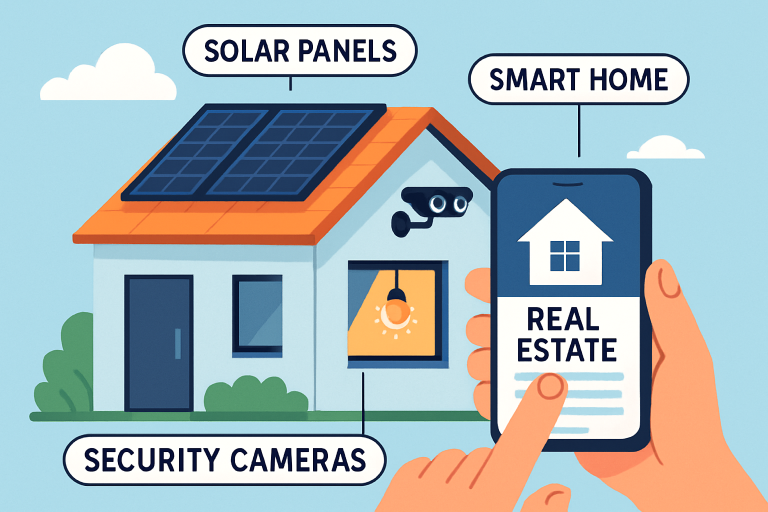
Increased demand for smart home features is not just a passing trend but a defining factor in property valuation and sales. Automated lighting, energy-efficient appliances, and integrated security systems are now regular features in new and remodeled homes. Consumers also want properties that support a sustainable lifestyle, featuring environmentally conscious materials and layouts that minimize resource consumption. Where eco-friendly initiatives used to be a niche preference, they are now part of mainstream expectations.
Social Media’s Growing Influence in Property Marketing
Social media continues to transform how properties are marketed, with platforms like TikTok, Instagram, and Facebook enabling visually-driven campaigns. Real estate agents and sellers are capitalizing on video tours, interactive floor plans, and live-streamed open houses to attract a wider audience, particularly among younger buyers who do much of their research online. These platforms are not just connecting buyers and sellers; they also facilitate networking among real estate professionals, appraisers, and contractors, leading to faster, more efficient transactions.
Adaptive Reuse: Transforming Commercial Spaces into Residences
An inventive solution to housing shortages in many urban areas is the adaptive reuse of commercial properties. Developers are converting old factories, warehouses, and office buildings into modern residential units, providing much-needed supply while revitalizing city neighborhoods. Cities at the forefront of this trend, including Detroit and Pittsburgh, are seeing a new wave of condominium and loft developments in previously underutilized districts. This trend not only improves housing supply but also preserves historic architecture and fosters sustainable urban revitalization.
Climate Change and Its Implications for Property Insurance
Climate change is increasingly affecting real estate, particularly through rising property insurance rates. In places prone to wildfires, hurricanes, and floods, insurance premiums have increased sharply, sometimes making homeownership unaffordable. A survey revealed a 20% increase in condo association dues over two years, with most communities citing higher insurance costs as the driving factor. These surges in insurance premiums are impacting property values, especially in multifamily and coastal markets. Buyers and investors must factor in insurance changes into long-term planning and purchasing decisions.
Conclusion
2026 is a year of evolution and challenge for the real estate sector. From the effects of low-rate mortgage “lock-ins” to the integration of transformative technologies and shifts in buyer demographics, the industry is being reshaped on multiple fronts. For professionals and investors alike, maintaining an understanding of these trends is the surest way to thrive in the ever-changing real estate environment.