Sliding shower doors give modern bathrooms a clean look, save space, and make showers feel more open. Homeowners often choose them when they want a simple design that still feels special. Instead of a swinging door that needs floor space, the glass panels glide along a track, which suits both small and large layouts. This guide walks through core styles, layout choices, and finish options that appear again and again in modern bathroom projects. You will see how different sliding door types work in tight spaces, family bathrooms, and luxury renovations, and how smart decisions on glass and hardware help your shower look stylish and perform well for years.
What Sliding Shower Door Styles Are Popular in Modern Bathrooms?
Framed, semi-frameless, and frameless styles
Framed sliding shower doors use metal around every edge of the glass. They give strong lines, feel sturdy, and often cost less than other types. Many homeowners like framed doors in busy bathrooms because the track and frame help contain water and support the panels. Semi-frameless styles reduce the metal and let more glass show. You might see a frame only at the top and bottom, with clean vertical edges. This keeps some structure but feels lighter and more modern than a full frame.
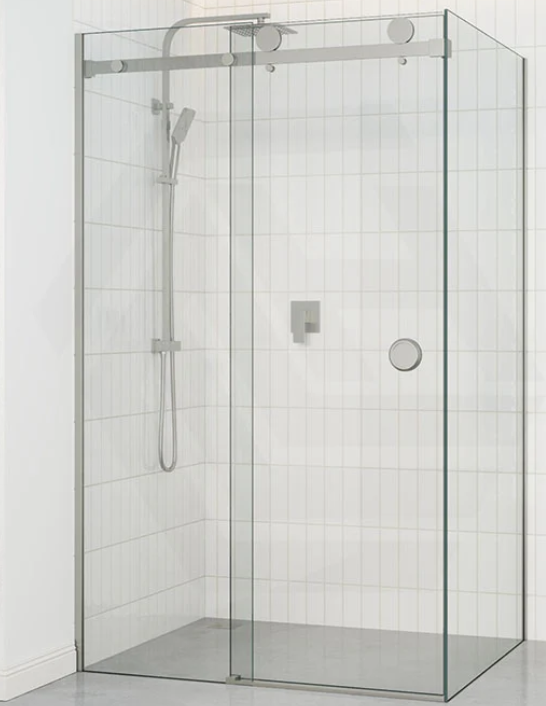
Frameless sliding doors remove almost all visible framing. The glass panels attach with discreet clips and glide on sleek rollers. These doors suit minimal, high-end bathrooms where you want the tile and fixtures to stand out. They tend to cost more, but they also create a bright, open feel that many modern designs aim for.
Single sliding, double sliding, and bypass styles
Single sliding doors use one moving panel that glides past a fixed panel. This simple setup works well in narrow spaces since only one side needs room for entry. It also keeps costs in check and reduces hardware, which appeals to minimal designs. Double sliding doors have two moving panels that meet in the middle. You can enter from either side, which helps in larger bathrooms or layouts where you might stand on different sides of the shower. This style also makes cleaning easier since both panels move.
Bypass shower doors sit on parallel tracks and allow both panels to slide past one another. Many people use the terms “double sliding” and “bypass” together, because the doors serve similar layouts. These systems give flexible access, work well over tubs and walk-in showers, and fit many standard sizes found in modern homes.
Wall-to-wall and corner sliding door styles
Wall-to-wall sliding shower doors span a straight opening between two parallel walls. This is the most common arrangement and suits alcove showers or tub-shower combos. The glass creates a strong horizontal line that often defines the whole bathroom. You can use framed, semi-frameless, or frameless designs in this layout. Corner sliding door styles suit showers set in the corner of the room. Some use two panels meeting at a right angle with one or both panels sliding. Others use curved or angled glass for neo-angle bases. Corner layouts save floor space and free up a wall for storage or a vanity. To keep the look modern, many homeowners pick clear glass and slim tracks so the corner shower feels open instead of boxed in.
Which Sliding Shower Door Style Fits Your Bathroom Best?
Best styles for small bathrooms and tight layouts
Small bathrooms benefit most from sliding doors that save space and keep sightlines open. A single sliding door in a wall-to-wall alcove opening works very well here. The panel glides behind a fixed panel, so you do not need clearance for a swinging door. Clear glass helps the eye read the full width of the room, which makes it feel larger. Frameless or slim semi-frameless designs suit tight spaces because they reduce visual clutter. Thin metal profiles and low tracks keep the look light. If your shower sits in a corner, a sliding corner entry or neo-angle door can free floor area for storage or a larger vanity.
Bypass doors over a tub also support compact layouts. Both panels slide, so you can enter from the side with more space. When you plan the door, make sure the fixed sections and handles do not block faucets or shelves. With small bathrooms, every inch counts, so measure carefully and choose hardware that does not project too far into the room.
Best styles for family bathrooms and daily use
Family bathrooms need sliding doors that handle heavy use, easy cleaning, and frequent opening and closing. Framed or solid semi-frameless bypass doors often work best for this. The continuous frame and deeper tracks help guide water back into the shower, which reduces puddles on the floor. Tempered glass with a protective coating makes cleaning faster. Many families prefer clear or lightly frosted glass to keep an eye on kids while they shower, while older children may like more privacy from patterned or tinted panels. Handles that double as towel bars add function and reduce clutter on walls.
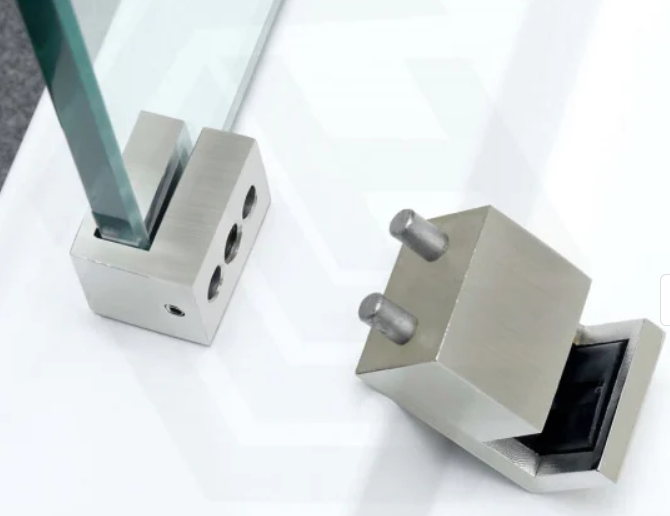
Double sliding or bypass designs give flexible entry. One person can step in from either side, and it is easier to reach faucets for cleaning. Sturdy rollers, strong anchors, and reliable seals matter in a high-use bathroom. Look for simple, smooth hardware with fewer grooves, so grime has less space to build up between deep cleans.
Best styles for sleek renovation projects
Sleek renovation projects usually aim for a calm, minimal look with clean lines and high-end finishes. Frameless sliding shower doors fit this goal best. The lack of bulky metal frames lets your tile, stone, or large-format wall panels become the star. Choose a wall-to-wall frameless slider with a low-profile track and exposed rollers for an architectural feel. Soft-close features and high-quality hardware make the door glide smoothly and quietly, which adds to the sense of luxury. Clear glass keeps the space bright and shows off niche lighting or feature walls.
For a more dramatic look, some renovations use tinted or subtly frosted glass with bold hardware in matte black or brushed gold. The key is consistency: match the shower door finish with taps, drawer pulls, and lighting, so the entire bathroom feels like one complete, modern design.
How Do You Choose the Right Glass, Finish, and Hardware Style?
Clear or tinted glass and easy-clean options
Clear glass makes the shower feel open and bright, which works especially well in small or low-light bathrooms. It highlights tile patterns, stone slabs, and accent lighting inside the shower. If you plan a statement wall or niche lighting, clear glass will show it off. Tinted glass adds a subtle color tone, such as gray or bronze, and gives a bit more privacy. It can soften strong daylight and pair well with darker finishes. Frosted or patterned glass offers the most privacy, which some families prefer, especially in shared bathrooms. These options still allow light through but blur shapes behind the door.
Easy-clean coatings on glass help repel water and reduce mineral deposits. Many manufacturers apply factory coatings to one side of the glass, making it smoother and less likely to hold spots. This does not remove the need for cleaning, but it makes it much faster to wipe down the panels. For homes with hard water or busy routines, investing in this feature can keep the shower looking clear and modern with less effort.
Chrome, matte black, brushed gold, and other finishes
Chrome remains one of the most popular finishes for sliding shower door frames and hardware. It is bright, reflective, and works with many faucet styles. Chrome also tends to cost less and pairs well with classic or transitional bathrooms. Matte black has become a key choice in modern and industrial-inspired spaces. Black frames and handles create strong contrast against white tile and clear glass. They outline the shower and give it a graphic, contemporary feel. This finish hides fingerprints better than polished metals but may show soap residue if not cleaned regularly.
Brushed gold and champagne tones add warmth and a subtle touch of luxury. These finishes work well in spa-style bathrooms with warm neutrals, natural stone, or wood accents. Brushed nickel, stainless, and pewter finishes offer a softer, more understated look that fits both modern and classic themes. Whichever finish you choose, aim to repeat it on taps, cabinet pulls, and even light fixtures. That repetition ties the room together and prevents the shower door from feeling like a separate element instead of part of a cohesive modern design.
See also: The Future of Home Charging for Electric Vehicles
Conclusion
Sliding shower doors have become a mainstay in modern bathrooms because they merge style with smart use of space. From framed bypass doors that stand up to family use to frameless sliders that showcase designer tile, there is a solution for every layout and budget. The key is to match the door style to the way you live and the layout you have. Small bathrooms lean on compact, clear-glass sliders that keep sightlines open. Family spaces need sturdy tracks, easy-clean glass, and flexible access. High-end renovations focus on slim framing, precise hardware, and finishes that coordinate across the whole room. Each choice in glass type, finish, and hardware nudges the final look toward classic, bold, or quietly minimal.
When you plan your project, take careful measurements, note where fixtures sit, and think about who uses the shower now and in the future. Compare framed, semi-frameless, and frameless options, and decide whether a single sliding, double sliding, or corner entry best fits your space. With a clear plan and a focus on both function and style, your new sliding shower door can help turn a standard bathroom into a modern, comfortable space you enjoy every day.