The Hot Melt Adhesive & Films industry has established itself as a crucial contributor to both manufacturing and construction sectors. These adhesives and films are often overlooked in the final product, yet they play a vital role in ensuring durability, efficiency, and structural integrity. From packaging and automotive interiors to technical textiles and waterproofing solutions, hot melt technologies provide versatile bonding capabilities that meet the demands of today’s fast-paced and quality-driven industries. In particular, the integration of PU waterproof membrane with hot melt adhesives has become a key innovation in construction, providing reliable water resistance and long-term protection for buildings.
Fundamentals of Hot Melt Adhesives and Films
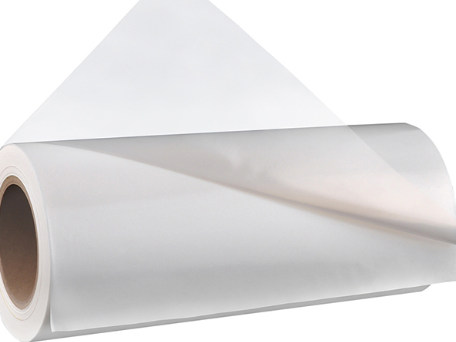
Hot melt adhesives are thermoplastic materials that bond surfaces as they cool and solidify after being applied in a molten state. Hot melt films, on the other hand, are supplied as solid sheets or rolls and activate when heat and pressure are applied. Both technologies are valued for their speed, consistency, and adaptability to automated production lines.
A key advantage of hot melt adhesives and films is that they do not require solvent evaporation or chemical curing. This allows manufacturers to reduce energy consumption and production time while maintaining clean and controlled processes. These properties have made hot melt solutions a preferred choice across high-volume manufacturing operations and specialized construction applications alike.
Applications Driving Market Growth
Packaging and Consumer Goods
Packaging continues to be one of the largest application areas for hot melt adhesives and films. Products such as carton boxes, trays, labels, and flexible packaging require strong, fast-setting bonds that withstand handling and transportation. Hot melt adhesives are effective on a variety of substrates, including corrugated board, coated paper, and plastics.
With the rise of e-commerce and global logistics, packaging systems are under pressure to maintain efficiency without compromising product protection. Hot melt solutions allow manufacturers to achieve high-speed production with consistent adhesive performance, ensuring that products reach consumers intact.
Construction and Waterproofing
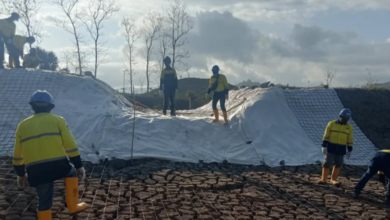
In construction, moisture protection is critical for the durability and safety of buildings. Hot melt adhesives are frequently combined with PU waterproof membrane to create a seamless barrier against water penetration. PU waterproof membranes are commonly used in roofing, basements, balconies, bathrooms, and other areas exposed to moisture.
By securely bonding PU waterproof membrane to structural surfaces, hot melt adhesives provide reliable waterproofing that is both durable and efficient to install. The rapid curing time and strong adhesion properties reduce labor costs and minimize the risk of leaks, making these solutions highly valuable in both residential and commercial projects.
Automotive and Industrial Applications
Hot melt adhesives and films are extensively PU waterproof membrane used in automotive interiors for components such as headliners, carpets, door panels, and insulation layers. These materials must withstand vibrations, temperature fluctuations, and prolonged use without losing integrity.
Hot melt films provide clean and uniform bonding, ensuring functional performance and aesthetic quality. Additionally, lightweight bonding solutions contribute to fuel efficiency and emission reduction by reducing overall vehicle weight. The versatility of hot melt adhesives allows them to bond diverse substrates, including plastics, metals, and composites, making them indispensable in automotive manufacturing.
Performance Characteristics of Hot Melt Solutions
Speed and Efficiency
One of the most significant benefits of hot melt technology is its rapid setting time. Unlike traditional liquid adhesives that require curing, hot melts solidify quickly, enabling immediate handling and downstream processing. This feature is particularly valuable in high-volume production environments where delays can be costly.
Fast bonding also ensures better integration with automated equipment, allowing manufacturers to scale production while maintaining consistent quality standards.
See also: How to Set Up a Facebook Business Manager Account
Strength, Flexibility, and Durability
Hot melt adhesives and films are engineered to deliver long-lasting bonds. They resist heat, moisture, and aging, ensuring product integrity over time. In construction applications, hot melt adhesives must maintain adhesion even when applied with PU waterproof membrane under variable environmental conditions.
Flexibility is another critical property. In applications such as flooring or roofing, adhesives and membranes must accommodate building movements without cracking or losing adhesion. Advances in polymer technology allow manufacturers to customize hot melt solutions for specific strength, flexibility, and temperature requirements.
Sustainability and Environmental Considerations
Cleaner Manufacturing Processes
Sustainability has become a priority across industries, and hot melt adhesives contribute by being solvent-free, which minimizes emissions during production and application. This not only reduces environmental impact but also ensures safer working conditions for operators.
Cleaner processes support compliance with environmental regulations while appealing to customers and clients who value eco-friendly manufacturing practices.
Material Efficiency and Waste Reduction
Hot melt films allow precise application, minimizing excess adhesive usage and material waste. In many cases, hot melt bonding can replace mechanical fasteners or multi-layer assembly processes, simplifying construction and production while conserving resources.
This precision also improves cost-efficiency and reduces environmental footprint, making hot melt adhesives an attractive solution for manufacturers and construction professionals seeking sustainable practices.
Recycling and End-of-Life Considerations
As industries focus on circular economy initiatives, adhesive compatibility with recycling processes has become important. For example, PU waterproof membrane systems bonded with hot melt adhesives are designed to either separate cleanly from substrates or remain neutral in material recovery processes. This allows building materials to be recycled or safely disposed of without contamination, enhancing sustainability in construction.
Innovation and Customization Trends
Tailored Formulations
Customization has become a key focus in the Hot Melt Adhesive & Films industry. Manufacturers can adjust properties such as viscosity, open time, elasticity, and temperature resistance to suit specific applications. Tailored hot melt solutions optimize performance whether bonding PU waterproof membrane, automotive interiors, or packaging materials.
Close collaboration between suppliers and end users ensures that adhesive formulations meet unique requirements, reduce downtime, and improve overall product quality.
Advances in Application Equipment
Technological innovations in application systems complement material advances. Modern hot melt dispensing and lamination machines provide precise temperature control, accurate placement, and high-speed operation. Automation and smart monitoring enhance process reliability and consistency, reducing production errors and maintenance requirements.
Challenges and Future Opportunities
While the industry is growing, it faces challenges including fluctuating raw material costs, evolving environmental regulations, and rising customer expectations for quality and sustainability. At the same time, these challenges create opportunities for innovation.
Companies that invest in research, sustainable materials, and customized solutions are better positioned to meet diverse market needs. The demand for PU waterproof membrane bonding in construction, along with advanced applications in automotive and packaging sectors, highlights the potential for continued growth.
Conclusion
The Hot Melt Adhesive & Films industry is integral to modern manufacturing and construction, providing solutions that combine speed, reliability, and sustainability. From automotive interiors and packaging to construction applications involving PU waterproof membrane, hot melt technologies deliver consistent and durable performance. As materials and equipment continue to evolve, the industry is well prepared to meet the demands of future manufacturing and construction practices while supporting efficient, environmentally responsible production.