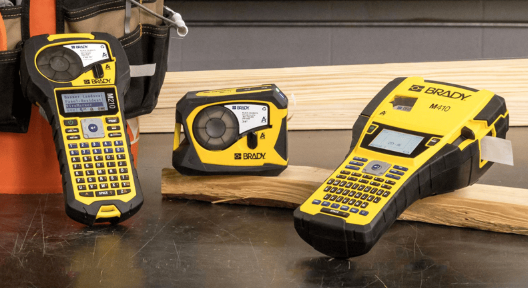
Accurate labeling is essential for organization, inventory management, and asset tracking across various industries. The handheld label printer provides a practical solution for professionals who need mobility, speed, and reliability. Compact and easy to operate, handheld printers allow labels to be printed directly at the point of use, improving workflow efficiency and reducing errors.
This article explores the features, benefits, and applications of handheld label printers, highlighting why they have become indispensable tools in modern business operations.
What Is a Handheld Label Printer?
A handheld label printer is a portable device designed to print labels on demand. Unlike desktop or industrial printers, handheld models are compact, lightweight, and battery-powered, allowing users to carry them easily across workspaces. They are ideal for environments where mobility and immediate labeling are required.
Handheld label printers are commonly used for:
- Cable and wire labeling
- Asset tagging
- Inventory identification
- Product labeling
- Office organization
Key Features of Handheld Label Printers
Portability and Lightweight Design
Handheld label printers are designed for ease of use in any location. Their small size and lightweight build make them perfect for field work, warehouses, offices, and retail spaces.
Thermal Printing Technology
Most handheld printers use thermal printing technology, which produces durable, high-quality labels without the need for ink or toner. Thermal printing ensures that text, barcodes, and graphics remain clear and legible over time.
User-Friendly Interface
Handheld printers feature intuitive controls and on-device keyboards or software. Users can create custom labels, select templates, and add text or barcodes easily without extensive technical training.
Battery-Powered Operation
Handheld label printers run on rechargeable batteries, allowing continuous printing in locations without immediate access to power outlets. This flexibility makes them ideal for field service, retail, and maintenance work.
Connectivity Options
Many handheld label printers support Bluetooth or wireless connections, enabling label printing from smartphones, tablets, or computers. This enhances convenience and simplifies workflow.
See also: 5 Technology Certifications That Will Future-Proof Your Career
Applications Across Industries
Warehousing and Logistics
Handheld printers enable staff to label inventory, pallets, and storage locations directly on-site. This reduces errors, speeds up handheld label printer processing, and supports accurate stock management.
Electrical and Cable Labeling
Technicians use handheld printers to label wires, cables, and electrical components. Durable labels ensure safety, compliance, and easy identification in complex installations.
Retail and E-Commerce
Retailers benefit from on-the-spot labeling for price tags, product identification, and barcode printing. Handheld printers allow flexible labeling at counters or in storage areas.
Offices and Administrative Tasks
Handheld printers can organize files, folders, storage boxes, and office equipment. Portable labeling improves accessibility and reduces errors in document management.
Healthcare and Laboratories
Accurate labeling of samples, equipment, and records is critical in healthcare and laboratory environments. Handheld printers provide clear, durable labels that ensure compliance and safety.
Benefits of Using Handheld Label Printers
Mobility and Flexibility
Portable design allows labels to be printed anywhere, eliminating the need to transport items to stationary printers.
Increased Efficiency
Immediate printing reduces downtime and speeds up labeling processes, enhancing overall productivity.
Cost-Effective
Thermal printing technology eliminates ink or toner costs, and rechargeable batteries reduce reliance on external power sources.
Professional and Durable Output
Labels are resistant to wear, moisture, and fading, ensuring clarity and long-lasting readability.
Easy Operation
User-friendly interfaces and simple controls make handheld label printers accessible to all staff members with minimal training.
Choosing the Right Handheld Label Printer
When selecting a handheld label printer, consider:
- Label size and material compatibility
- Print resolution and speed
- Battery life and recharging options
- Connectivity features (Bluetooth or wireless)
- Durability for intended work environments
Careful evaluation ensures the handheld printer meets operational needs and provides consistent performance.
Conclusion
Handheld label printers are versatile, portable, and efficient tools for labeling in warehouses, offices, retail environments, and field operations. Their mobility, durability, and ease of use make them indispensable for professionals who require accurate and reliable labeling on the go.
Adopting handheld label printers can streamline workflows, reduce errors, and ensure consistent labeling standards across multiple applications. They are a practical investment for businesses seeking flexibility and efficiency in labeling operations.
Frequently Asked Questions About Handheld Label Printers
What is a handheld label printer used for?
It is used for labeling cables, wires, inventory, office supplies, products, and assets directly at the point of use.
Does a handheld label printer require ink?
No, most handheld printers use thermal printing technology, eliminating the need for ink or toner.
Can handheld printers connect to smartphones?
Yes, many models support Bluetooth or wireless connections for printing directly from mobile devices.
Are handheld label printers suitable for industrial environments?
Yes, handheld printers are durable and designed to withstand daily operational use in warehouses, field services, and technical environments.
How portable are handheld label printers?
They are compact, lightweight, and battery-powered, making them easy to carry and use in various locations.