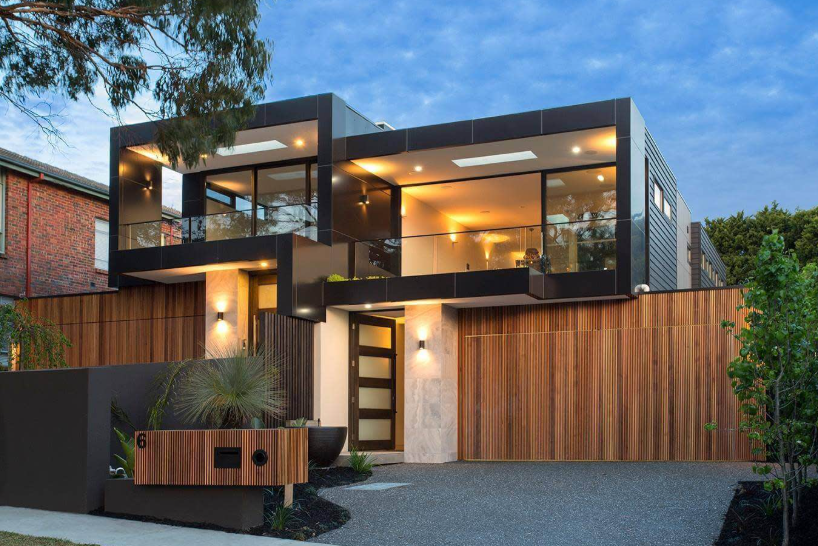
Modern homes are evolving quickly to meet the needs of today’s fast-paced lifestyles. People expect their living spaces to be comfortable, practical, and adaptable, all while offering ease in daily routines. As a result, home design has shifted toward smarter layouts, organised spaces, and subtle design choices that make everyday life more efficient. Whether it’s the way rooms are arranged, how storage is integrated, or how technology is blended into the home, convenience has become a key design priority.
The Shift Toward Practical Living Spaces
Homeowners are now looking beyond aesthetics. While style still matters, functionality has become equally important. A well-designed home should support daily habits effortlessly, allowing people to move through tasks without unnecessary interruptions. This is why modern home design focuses heavily on flow, organisation, and purposeful elements that offer both comfort and efficiency.
How Layout Influences Daily Convenience
The layout of a home has a major impact on how easy it is to live in. Open-concept living areas, for example, allow people to transition smoothly between cooking, dining, and spending time with family. It reduces barriers and creates flexibility, especially for families that multitask throughout the day.
Bedrooms are being positioned away from noisy living spaces, work-from-home areas are incorporated more intentionally, and kitchens are designed with ergonomic principles in mind. These layout choices ensure that each room serves a meaningful purpose without creating friction in daily routines.
The Role of Storage in Easier Living
One of the most important aspects of a convenient home is effective storage. Modern homeowners prioritise clutter-free spaces, and that starts with having the right storage solutions. Built-in cabinets, customised shelving, and multifunctional furniture help maximise space while keeping belongings organised.
Well-planned storage makes cleaning easier, reduces visual clutter, and creates a sense of calm. For many people, a tidy home directly contributes to better focus and reduced stress. When everything has a dedicated place, daily life becomes noticeably smoother.
Integrating Technology for Everyday Comfort
Technology has become inseparable from modern home design. Smart devices are now used to control lighting, temperature, security, and entertainment systems. These tools simplify daily tasks and help homeowners manage their environment more efficiently.
Simple additions like timed lighting, motion sensors, and automated climate control create a more comfortable living experience. Even smaller details, such as concealed charging areas or the thoughtful placement of extension leads, contribute to convenience and reduce clutter.
Design Choices That Improve Efficiency
Good design considers how people live and move within their space. Small, thoughtful choices often make the biggest difference in day-to-day convenience.
Efficient lighting
Lighting affects mood, functionality, and energy use. Layered lighting—combining ambient, task, and accent lights—makes spaces adaptable to different activities. Well-lit workspaces reduce strain, while dimmable lights create a relaxing environment in the evenings.
Thoughtful furniture selection
Selecting furniture that fits the space is crucial. Oversized pieces make rooms feel cramped, while multifunctional pieces make small rooms more versatile. Sofas with storage, extendable tables, and compact study desks are increasingly popular.
Durable materials
Materials that are easy to clean and maintain help keep homes looking fresh with minimal effort. Stain-resistant fabrics, scratch-resistant surfaces, and high-quality flooring reduce long-term maintenance and enhance durability.
See also: Modern Australian Homes Call for Modern Luxury Dining Chairs: Here’s How to Choose
The Growing Importance of Multipurpose Spaces
Modern homes must adapt to different needs throughout the day. Rooms that once served a single purpose now need to handle multiple functions. A dining area may double as a workspace, while a guest room may also serve as a hobby or fitness space.
Flexible interior design makes these multipurpose areas more effective. Foldable furniture, adjustable shelving, and modular layouts allow homeowners to shift the purpose of a room quickly without compromising comfort.
Organisation as a Lifestyle Choice
Minimalism and organised living have become major lifestyle trends. Homeowners now actively seek ways to simplify their lives and reduce unnecessary possessions. This shift is reflected in how homes are designed—with cleaner lines, fewer decorative distractions, and a focus on purposeful items.
These choices help maintain a peaceful environment, reduce cleaning time, and create visually appealing spaces. People often find that an organised home leads to clearer thinking and a calmer daily routine.
How Outdoor Spaces Add to Convenience
Outdoor areas are now considered extensions of the home rather than separate spaces. Balconies, patios, and gardens are designed for relaxation, dining, and entertainment. Comfortable seating, shade solutions, and simple landscaping make these areas easier to maintain and more enjoyable to use.
Outdoor storage solutions, weather-resistant furniture, and low-maintenance plants help homeowners maintain a beautiful outdoor area without excessive upkeep.
The Impact of Sustainability on Home Design
Environmental awareness is influencing how homes are built and designed. Energy-efficient appliances, natural ventilation, and eco-friendly materials are becoming standard choices. These sustainable options reduce utility costs while supporting long-term environmental health.
Homeowners also increasingly prefer natural light, cross-ventilation, and materials that have a lower carbon footprint. Sustainability not only supports the planet but also creates healthier indoor environments.
Creating Homes That Support Better Living
A truly convenient home is one that works with you, not against you. It reduces stress, saves time, and enriches daily experiences. Whether through thoughtful layouts, smart storage, or subtle design improvements, modern homes can significantly enhance quality of life.
By focusing on functionality, comfort, and adaptability, homeowners can create living spaces that support their routines more effectively. As lifestyles continue to evolve, homes will keep adapting—becoming smarter, more organised, and better suited to the needs of everyday living.