Modern office environments require flooring solutions that combine functionality, flexibility, and aesthetics. An office raised floor system provides a versatile platform that allows for organized cable management, underfloor airflow, and adaptable workspace layouts. These systems are particularly useful in open-plan offices, coworking spaces, and corporate headquarters where technological infrastructure and changing layouts are essential.
By elevating the floor above the structural slab, office raised floor systems create a hidden space for utilities, enabling cleaner, safer, and more efficient office operations.
What Is an Office Raised Floor System?
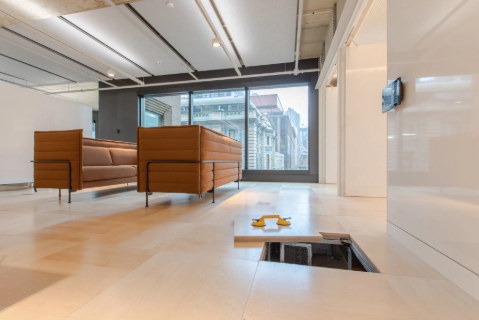
An office raised floor system consists of modular panels installed on adjustable pedestals, creating a void between the structural slab and the finished surface. This underfloor space serves as a utility corridor for:
- Electrical wiring and network cabling
- HVAC ducts for conditioned airflow
- Fire suppression or safety systems
- Easy future expansion or reconfiguration
Panels can be made from materials such as steel, aluminum, woodcore, or high-pressure laminate (HPL), depending on load requirements and environmental conditions.
Advantages of Office Raised Floor Systems
Flexibility and Adaptability
Raised floors allow easy reconfiguration of office layouts, making it simple to relocate workstations, IT equipment, or meeting areas without major construction.
Cable Management
All electrical and data cabling can be routed beneath the floor, reducing clutter and minimizing tripping hazards while maintaining a professional appearance.
Improved Airflow and HVAC Efficiency
Raised floors can be integrated with underfloor air distribution systems, ensuring efficient cooling and ventilation in modern office spaces.
Aesthetic Options
Office raised floor panels can be finished with carpet, vinyl, laminate, or other materials to match interior design themes and maintain a professional environment.
See also: The Future of Home Charging for Electric Vehicles
Cost-Effectiveness
By centralizing utilities beneath the floor, raised floor systems reduce the need for extensive overhead cabling and ductwork, resulting in lower installation and maintenance costs.
Common Applications
Corporate Offices
office raised floor system and corporate headquarters benefit from raised floor systems that simplify workspace reconfigurations and provide organized cabling for computers, telecommunication equipment, and electrical outlets.
Data-Driven Workspaces
Offices with high IT infrastructure requirements, such as trading floors or call centers, utilize raised floors to route data and power cables efficiently while maintaining optimal airflow.
Laboratories and Technical Offices
Laboratories and technical facilities require durable and adaptable flooring that supports equipment and enables easy access to utilities beneath the floor.
Coworking Spaces
Shared office environments often require flexibility for frequent layout changes. Raised flooring simplifies workspace adaptations without significant construction costs.
Technical Considerations
Panel Materials and Surface Finish
- Steel or aluminum panels for heavy load areas
- Woodcore panels for moderate loads and cost-effectiveness
- HPL or vinyl finishes for aesthetics and durability
Load-Bearing Capacity
Panels should be selected based on the anticipated load of office equipment, furniture, and foot traffic. Load ratings must include static, concentrated, and rolling loads.
Pedestal and Support Systems
Adjustable pedestals ensure level floors, support panel weight, and maintain access to underfloor utilities. Stringers or additional reinforcement may be added for high-load applications.
Fire and Safety Compliance
Materials and installation must meet fire-resistance standards, ensuring occupant safety and regulatory compliance.
Installation Best Practices
- Accurate pedestal placement and leveling are critical
- Panel alignment must ensure a stable, vibration-free surface
- Planning of underfloor cable routes and HVAC ducts before installation
- Post-installation testing to confirm floor stability and utility access
Professional installation ensures maximum performance and longevity of office raised floor systems.
Maintenance Tips
- Regular cleaning of surface finishes to maintain appearance
- Inspection of pedestal supports and panel alignment
- Replacement of damaged panels without disrupting the entire floor
- Monitoring of underfloor utilities for access and safety
Routine maintenance ensures the floor system remains functional and aesthetically appealing for years.
Benefits of Office Raised Floor Systems
- Adaptable Layouts: Easily accommodate workspace changes
- Organized Utilities: Reduces cable clutter and improves safety
- Enhanced HVAC Efficiency: Supports underfloor airflow systems
- Durable: Resistant to wear and able to support heavy equipment
- Professional Appearance: Versatile surface finishes for interior design requirements
Conclusion
Office raised floor systems provide a practical, flexible, and efficient solution for modern office environments. By elevating the floor, these systems create organized utility pathways, enable adaptable layouts, and support improved airflow for HVAC systems.
Investing in a high-quality raised floor system enhances operational efficiency, safety, and aesthetics, making it an essential component of contemporary office design. Proper installation and maintenance maximize the benefits and ensure long-term performance.
Frequently Asked Questions
What is an office raised floor system used for?
It is used to provide a flexible, elevated floor that allows organized routing of cables, improved airflow, and adaptable workspace layouts.
Can office raised floors support heavy office equipment?
Yes, when designed with appropriate panel materials and pedestal systems, they can support computers, furniture, and other office equipment.
Are raised floors only for corporate offices?
No, they are also used in data centers, laboratories, technical facilities, and coworking spaces.
How is maintenance performed?
Routine cleaning, pedestal inspection, and panel replacement ensure long-term durability and performance.
Can the surface finish be customized?
Yes, finishes include carpet, vinyl, laminate, and anti-static coatings to meet both aesthetic and functional needs.