Introduction to Precision Metal Manufacturing
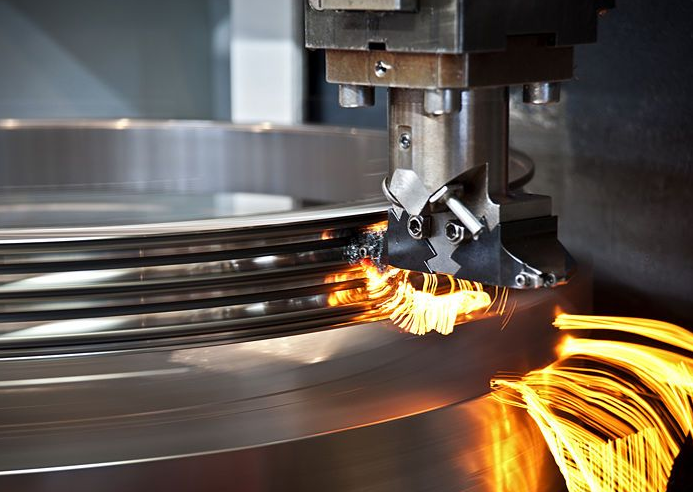
Modern manufacturing relies heavily on accurate and efficient metal forming processes. As industries grow more competitive, the demand for precision, repeatability, and high production efficiency continues to rise. Metal forming equipment has evolved to meet these expectations, allowing manufacturers to shape metal components with greater control and consistency than ever before. These advancements have reshaped how factories approach productivity, quality assurance, and operational reliability.
The Role of Advanced Bending Technology
Metal bending is a critical step in many fabrication processes. It determines the strength, fit, and functionality of finished components. Advanced bending technology enables manufacturers to produce complex shapes while maintaining tight tolerances. Controlled force application and accurate alignment ensure that materials retain their structural integrity during shaping.
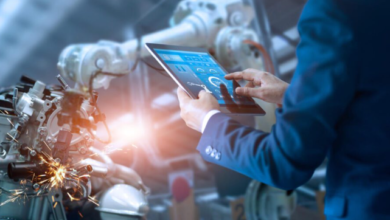
Automation has further enhanced bending accuracy. Operators can program precise bending sequences, reducing the margin for error and improving consistency across large production batches. This combination of control and automation supports both small-scale workshops and high-volume industrial facilities.
Understanding Hydraulic-Based Bending Systems
Hydraulic-powered bending systems use pressurized fluid to generate force. This approach allows smooth, controlled motion during bending operations. Compared to purely mechanical systems, hydraulic designs offer greater flexibility when working with thicker or harder materials. Pressure can be adjusted according to material type, thickness, and desired angle.
The hydraulic press brake plays a key role in industrial fabrication because it delivers stable force throughout the bending process. This stability reduces material stress and helps achieve accurate bends without cracking or deformation. As a result, manufacturers can work confidently with a wide range of metals.
Types of Metal Bending Equipment
Several types of metal bending machines are commonly used across industries:
Mechanical bending machines
These rely on gears and flywheels to apply force. They are suitable for lighter materials and simpler bending operations.
Hydraulic bending machines
These machines use fluid pressure to deliver consistent force, making them ideal for heavy-duty applications and thicker metal sheets.
Digitally controlled machines
These systems combine programmable controls with mechanical or hydraulic power, offering precision and repeatability for complex designs.
Each type serves a specific purpose, but hydraulic systems are often preferred when strength, control, and reliability are required.
Benefits for Industrial Production
The adoption of advanced bending equipment offers several advantages for manufacturers:
Improved accuracy
Precise control over pressure and angle ensures consistent results.
Higher productivity
Automation reduces setup time and accelerates production cycles.
Material versatility
A wide range of metals and thicknesses can be processed efficiently.
Reduced waste
Accurate bending minimizes errors and material loss.
Long-term reliability
Durable construction supports continuous operation in demanding environments.
These benefits directly contribute to lower operational costs and improved product quality.
See also: How Often Should You Refresh Your Life‑Saving Techniques?
Selecting the Right Bending Equipment
Choosing the appropriate bending machine is essential for maximizing performance. Manufacturers should consider several factors before making a decision:
Material specifications
Different metals respond differently to bending forces.
Production volume
High-output facilities require machines capable of continuous operation.
Precision requirements
Industries such as aerospace and automotive demand minimal tolerance variation.
Maintenance accessibility
Easy servicing reduces downtime and extends machine lifespan.
A careful evaluation ensures that the selected machine aligns with production goals and operational needs.
Integration with Modern Manufacturing Systems
Today’s fabrication facilities increasingly rely on integrated manufacturing systems. Many bending machines can connect with automated production lines, allowing seamless data exchange and real-time monitoring. This integration supports predictive maintenance, workflow optimization, and improved production planning.
Connected systems enable operators to monitor performance indicators, adjust parameters remotely, and identify potential issues before they lead to downtime. This level of control enhances efficiency and supports data-driven decision-making.
Safety Standards and Workplace Protection
Safety is a top priority in industrial environments. Modern bending equipment incorporates multiple safety features, including emergency stop functions, protective barriers, and overload protection systems. These measures help reduce the risk of accidents and ensure operator safety.
In addition to physical safeguards, proper training and adherence to safety protocols are essential. Well-trained operators are better equipped to handle machines responsibly and respond effectively to unexpected situations.
Environmental and Energy Considerations
Sustainability has become an important focus in manufacturing. Modern hydraulic systems are designed to be more energy-efficient, reducing power consumption during operation. Improved fluid management and optimized pressure control help minimize energy waste.
By adopting efficient equipment, manufacturers can lower operational costs while reducing their environmental footprint. This balance between productivity and sustainability is increasingly important in today’s industrial landscape.
Importance of Operator Training
Despite advancements in automation, skilled operators remain essential. Proper training ensures that personnel understand machine functions, programming methods, and troubleshooting techniques. Experienced operators can optimize machine performance, reduce errors, and maintain consistent output quality.
Ongoing training also supports workplace safety and helps organizations adapt to new technologies as they emerge.
Future Developments in Metal Bending
The future of metal bending technology is expected to include greater automation and intelligent control systems. Artificial intelligence and machine learning may enable machines to adjust parameters automatically based on material behavior and historical data. These innovations could further improve precision, efficiency, and adaptability.
Additionally, continued improvements in energy efficiency and machine design will expand the range of applications across industries.
Conclusion
Advancements in metal bending technology have significantly transformed industrial manufacturing. Precision, efficiency, and reliability are now achievable at levels that were once unattainable. The hydraulic press brake remains a vital component in modern fabrication, supporting consistent quality and high productivity. By understanding machine capabilities, safety considerations, and future trends, manufacturers can make informed decisions that support long-term success.