Across North Carolina and South Carolina, everyday life moves through a mix of busy highways, growing cities, and active workplaces that keep the region constantly in motion. From coastal communities to inland towns, people travel for work, manage businesses, and take part in daily routines that reflect the energy of the Carolinas. With so much activity, accidents can occasionally occur, leaving individuals dealing with injuries, unexpected expenses, and uncertainty about what steps to take next.
During these difficult moments, understanding how injury compensation claims work can help people feel more prepared to protect their rights and financial stability. Personal injury lawyers throughout the region assist individuals in navigating complex legal procedures while helping them avoid mistakes that could affect the outcome of a claim. With experience representing injured clients across both states, Farmer and Morris Law works to guide individuals through the legal process while helping them pursue fair compensation and clarity after a serious accident.
Gather All Relevant Evidence
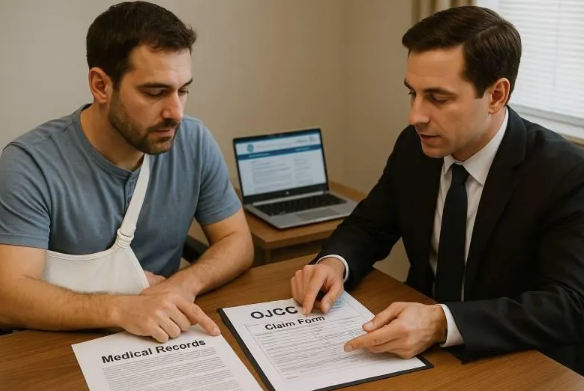
Filing a thorough complaint is the best way to back up a case about compensation. This information could include your medical records, the incident reports, and some photographs that can explain the ordeal. And witness accounts add strength to the case. Documentation is the basis for any claim you may wish to make. So with each new data point, it becomes less opaque and less frictional.
Report the Incident Promptly
Timely reporting remains crucial. The sooner you let the responsible party or authority know, the sooner the event is documented. Timelines when it comes to reporting are everything, so the longer someone waits, the more they can take an axe to the case. Taking immediate action shows that your organization is serious and will help avoid questions regarding the legitimacy of the incident. However, a simple report such as this is not adequately suited to prepare a substantive answer for finding a better one. Prompt reporting helps preserve the evidence.
Seek Medical Attention Immediately
Any injury should be followed by a medical examination. Seeking help from your doctor makes it an official record and shows how extensive the injury is. This provides backing for the allegation and shows that the injury was not trivialized. When determining how much compensation to offer or how much to pursue, medical reports are often considered an important factor. Documentation links the incident directly to the injury.
Understand Claim Procedures
There are specific procedures associated with each compensation claim, with close adherence to policy and practice being vital. Take the time to read through all of the guidelines and instructions so that you do not make any errors that could have been avoided. In order to stay on track, understanding form requirements and deadlines helps. With this knowledge, there are no missed or incorrect steps during the next round. It may weaken the success of the claim if necessary steps are missed.
See also: Winning the Digital Game: Smarter Strategies for Business Growth
Keep Clear Communication Records
Keeping a record of all correspondence is useful. Getting emails, letters, or notes from phone calls in writing will also help if disputes arise. These records help prevent misunderstandings and serve as evidence in case of claims made about what has or has not been discussed or promised. Codifying your communication displays professionalism and an eye for detail.
Follow Medical Advice Strictly
Following treatment plans and attending follow-up visits are key. Refusal to seek medical attention can buttress a claim by implying the injury is not serious. Compliance with health directions indicates an actual need for treatment. Medical providers’ notes usually indicate a claimant is motivated to recover.
Avoid Exaggeration or Inconsistencies
However, being straightforward is an important part of the process. Exaggerating the nature of injuries or providing contradictory statements can hurt a claim’s validity. Factual, consistent messaging matters more to decision-makers. Honesty will keep the confirmatory process as equitable and non-partisan as possible for all parties involved in the process.
Respect Deadlines and Time Limits
Every compensation claim has deadlines. To be on the safe side, please submit the reply by the due date; automatic denial may apply otherwise. Scheduling new tasks and reminding ourselves of existing ones keeps the pipeline flowing. Submitting on time shows that you care and take it seriously. The claim lives on for at least as long as each deadline is met.
Consult a Professional if Needed
Some claims require specialized knowledge. In case of any uncertainty, seeking the help of a professional can help. An experienced advisor will clarify confusing points and make sure you do not make a mistake. Reaching out for help does not mean weakness; actually, it means you want to be correct and fair.
Conclusion
Completing each step systematically ensures that the claimant’s interests are valued. The process of obtaining injury compensation is similar to earning income; collecting receipts, following rules, and maintaining honesty are all ways to ensure an easy claim process. Following these steps is very helpful to avoid mistakes, and it can transform them into a fair settlement.