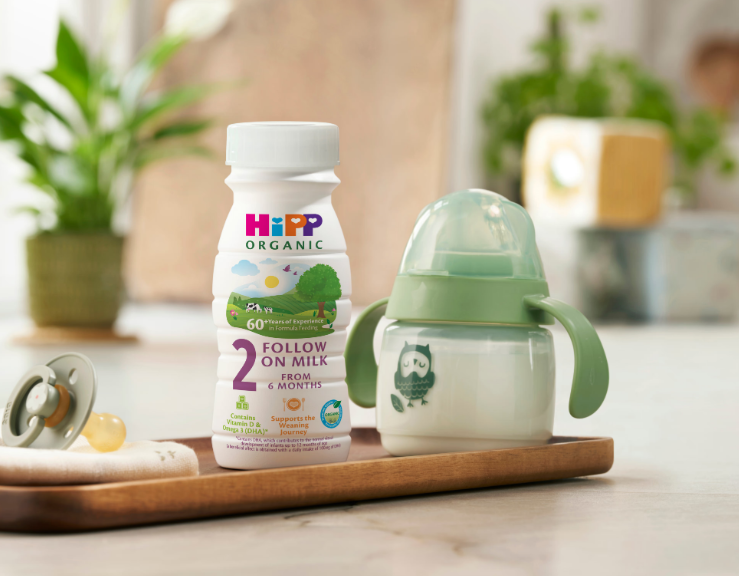
Introduction to Ready to Feed Formula
Parents and caregivers constantly seek safe and convenient options for infant nutrition. One such option that has gained popularity in recent years is ready to feed formula. Unlike powdered formula, which requires mixing with water, ready to feed formula comes pre-mixed in liquid form. This convenience not only saves time but also reduces the risk of incorrect preparation, making it an ideal choice for busy families or those traveling with infants.
How Ready to Feed Formula Differs from Other Infant Formulas
Infant formulas typically come in three types: powdered, concentrated liquid, and ready to feed. Powdered formula requires careful measurement and mixing with water, which introduces the potential for human error. Concentrated liquid ready to feed formula needs dilution with water before use. Ready to feed formula, however, is already mixed and sterilized, ensuring the correct nutritional balance is maintained without extra steps. This reduces the chances of contamination and guarantees consistent quality in every serving.
Nutritional Advantages of Ready to Feed Formula
Ready to feed formula is designed to meet the complete nutritional requirements of infants. It contains essential vitamins and minerals, including iron, calcium, and DHA, which support healthy growth and brain development. The liquid form preserves the integrity of these nutrients better than powdered formulas, which may lose potency if not stored properly. For infants with sensitive digestive systems, ready to feed formula is often gentler, reducing the likelihood of gas, colic, or digestive discomfort.
Safety and Hygiene Considerations
Hygiene is a major concern when feeding infants, and ready to feed formula excels in this regard. Since it is pre-sterilized, the risk of bacterial contamination is minimal. This is especially important for newborns and premature babies, whose immune systems are still developing. Additionally, ready to feed formula eliminates the need for boiling water or measuring powders, reducing exposure to potentially harmful germs.
Convenience for Busy Parents
The convenience factor of ready to feed formula cannot be overstated. For working parents, nighttime feedings, or emergency situations, ready to feed formula offers a quick and reliable solution. There is no need for preparation, which saves time and effort. Parents can simply open the container and feed their baby immediately, making it ideal for use at home or while traveling.
Storage and Shelf Life
Ready to feed formula is typically packaged in sealed bottles or cartons, which extend its shelf life compared to freshly mixed formulas. It can be stored at room temperature until opened, and any leftover formula can be safely refrigerated for a short period. Proper storage ensures that the formula remains safe and maintains its nutritional value.
Choosing the Right Ready to Feed Formula
When selecting a ready to feed formula, parents should consider their baby’s age, dietary needs, and any potential allergies. Many formulas are specially designed for different stages of development, from newborns to infants transitioning to solid foods. Consulting with a pediatrician is recommended to ensure the formula meets the child’s specific nutritional requirements.
Cost Considerations
While ready to feed formula is more expensive than powdered alternatives, many parents find the benefits outweigh the cost. The reduction in preparation time, convenience, and assurance of safety make it a worthwhile investment for families who prioritize infant health. Additionally, the minimized risk of contamination can prevent potential health issues, which could incur medical costs.
See also: Exploring the Essential Tools in Modern Healthcare
Tips for Using Ready to Feed Formula
- Shake Before Use: Always shake the bottle to ensure uniform distribution of nutrients.
- Check Expiration Date: Use the formula before the expiration date to ensure freshness.
- Store Properly: Keep unopened bottles at room temperature and refrigerate after opening.
- Use Clean Equipment: Even though the formula is sterile, use clean bottles and nipples to maintain hygiene.
- Follow Feeding Guidelines: Adhere to the recommended serving sizes to prevent overfeeding or underfeeding.
Environmental Considerations
Many ready to feed formulas are packaged in single-use containers, which may raise environmental concerns. Some manufacturers are now adopting eco-friendly packaging solutions, such as recyclable cartons or biodegradable bottles. Parents can also explore recycling programs to reduce the environmental footprint of formula use.
Conclusion
Ready to feed formula provides a convenient, safe, and nutritionally complete option for infant feeding. It offers significant advantages over powdered or concentrated liquid formulas, particularly in terms of hygiene, convenience, and consistent nutrition. While it may come at a higher cost, the benefits for infant health and parental ease make it a compelling choice. Selecting the right ready to feed formula, following proper storage and usage guidelines, and consulting with healthcare professionals ensures that infants receive the best possible start in life.