Revolutionizing the Digital Landscape
The world has undergone a tremendous transformation due to the rise of innovative technology solutions. These advancements have redefined how individuals, companies, and governments operate, bringing efficiency and connectivity to unprecedented levels. From artificial intelligence to cloud computing, the digital revolution has become an integral part of modern life. People now rely on technology for communication, work, education, and even entertainment, making it the backbone of the global economy.
Technology solutions have eliminated barriers that once limited human potential. Businesses can now expand globally through digital platforms, while individuals can connect instantly across continents. Automation has minimized human errors, saving time and resources. Meanwhile, smart devices have enhanced daily living, allowing users to manage tasks through voice commands or mobile applications. The growing integration of technology into every sector signifies an unstoppable shift toward a smarter, faster, and more connected world.
Innovative Solutions for Business Growth
In the business environment, IT project management Denver have become essential tools for achieving sustainable growth and maintaining competitiveness. Companies use software systems to streamline operations, manage data, and enhance communication between teams. For instance, cloud-based solutions have made data storage more secure and accessible from anywhere in the world. This flexibility enables businesses to adapt to market changes quickly and efficiently. Additionally, customer relationship management systems allow organizations to understand and respond to their customers’ needs with precision.
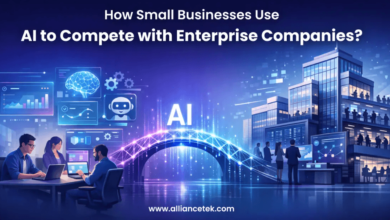
E-commerce platforms, digital marketing tools, and AI-driven analytics have opened new opportunities for revenue generation. Businesses can now track consumer behavior, analyze trends, and adjust their strategies in real time. These innovations also enable small enterprises to compete with larger corporations by leveraging affordable and scalable digital resources. As industries embrace automation, the role of technology in achieving productivity and innovation continues to expand, setting the foundation for long-term economic success.
Empowering Education and Learning
The field of education has benefited immensely from the implementation of technology solutions. Digital classrooms, online learning platforms, and virtual labs have made education more interactive and accessible. Students can now attend classes remotely, access global resources, and learn at their own pace. This has removed geographical and economic barriers, giving everyone the opportunity to acquire knowledge regardless of location. Technology has turned traditional learning into a dynamic and personalized experience that fosters curiosity and creativity.
Educators have also gained powerful tools for enhancing teaching effectiveness. Learning management systems allow instructors to track student performance, share resources, and communicate efficiently. Artificial intelligence assists in grading assignments and providing personalized feedback, freeing teachers to focus on mentorship. Moreover, virtual and augmented reality are revolutionizing the learning experience by bringing subjects like history, science, and medicine to life in immersive ways. The integration of these technologies prepares students for future careers in a tech-driven world while making education more inclusive and engaging.
Transforming Healthcare Through Innovation
Healthcare is one of the sectors most positively impacted by technology solutions. Innovations such as telemedicine, wearable health devices, and electronic health records have transformed how medical professionals deliver care. Patients can now consult doctors remotely, reducing the need for physical visits and improving access to healthcare, especially in rural areas. Real-time health monitoring devices track vital signs and send alerts, enabling early diagnosis and prevention of diseases. These advancements not only enhance patient care but also reduce healthcare costs and improve efficiency across medical systems.
Artificial intelligence and machine learning are driving breakthroughs in medical research and diagnostics. Algorithms can analyze massive amounts of medical data to detect patterns that might be invisible to human eyes. This has led to faster disease detection and the development of targeted treatments. Robotic surgery, precision medicine, and biotechnology continue to redefine healthcare standards, ensuring better outcomes and higher survival rates. As technology continues to evolve, it promises to make healthcare more predictive, personalized, and accessible to all.
The Future of Smart Living and Connectivity
Technology solutions are not only transforming industries but also reshaping the way people live. Smart homes, powered by the Internet of Things, have become symbols of modern living. Devices such as automated lighting, climate control systems, and security cameras provide comfort, convenience, and safety. Homeowners can control these devices through smartphones, creating personalized environments that respond to their daily routines. This interconnected lifestyle is making homes more energy-efficient and environmentally friendly.
Furthermore, smart cities represent the next stage of technological innovation. With intelligent traffic systems, renewable energy grids, and data-driven governance, cities are becoming more sustainable and livable. Technology solutions are enabling efficient waste management, improved transportation networks, and enhanced public safety. As 5G networks expand globally, connectivity will become faster and more reliable, paving the way for innovations such as autonomous vehicles and advanced urban infrastructure. The integration of technology into everyday life continues to elevate human experiences, shaping a future where convenience, sustainability, and innovation coexist seamlessly.
Bridging the Digital Divide with Technology Access
One of the most important challenges technology solutions aim to address is the digital divide. While developed regions enjoy the benefits of high-speed internet and advanced devices, many parts of the world still lack basic technological infrastructure. Bridging this gap is crucial for global progress, as technology plays a key role in education, healthcare, and economic development. Governments and organizations are working together to expand internet access, distribute affordable devices, and provide digital literacy programs. These initiatives empower communities and create opportunities for social and economic growth.
Access to technology also promotes inclusion and equality. Marginalized groups, including women and people with disabilities, can now participate in digital economies through remote work and online education. Innovations in accessibility tools, such as voice recognition and screen readers, ensure that technology is usable by everyone. As connectivity becomes a universal right rather than a privilege, societies move closer to achieving true digital equality. The ongoing efforts to democratize technology will shape a future where innovation serves all of humanity.
Sustainability Through Technological Advancement
Sustainability has become a global priority, and technology solutions are at the forefront of achieving it. Renewable energy technologies like solar and wind power are reducing dependence on fossil fuels and minimizing environmental impact. Smart grids and energy management systems optimize energy consumption, helping both households and industries reduce waste. Additionally, innovations in recycling technology and waste management are promoting circular economies that conserve natural resources.
The development of green technology extends to agriculture, transportation, and manufacturing. Precision agriculture uses sensors and drones to monitor crops and optimize irrigation, increasing yields while conserving water. Electric vehicles and public transport systems powered by clean energy are reducing pollution and carbon emissions. As the world faces climate change challenges, technology solutions offer hope for creating a balance between development and environmental preservation. The commitment to sustainable innovation ensures that progress benefits both people and the planet.
Security and Privacy in the Digital Age
With the expansion of technology solutions comes the growing need for security and privacy. Cybersecurity threats, including hacking, phishing, and data breaches, have become serious global concerns. Organizations are investing heavily in advanced security systems to protect sensitive information. Encryption, multi-factor authentication, and blockchain technology have become key tools in safeguarding digital assets. Protecting data is essential for maintaining trust in an increasingly connected world.
Individuals also play a vital role in maintaining digital safety. Awareness of online risks, proper password management, and cautious sharing of personal information are essential practices. Governments are implementing strict data protection laws to ensure accountability and transparency among technology providers. As cyber threats evolve, so do the solutions to combat them, leading to a continuous cycle of innovation and defense. Ensuring a secure digital environment is fundamental to sustaining the growth and reliability of modern technology.
Adapting to a Constantly Evolving World
The pace of technological evolution shows no signs of slowing down. Every year brings new advancements that redefine industries and lifestyles. Artificial intelligence, quantum computing, and virtual reality continue to push the boundaries of what is possible. Adaptability has become one of the most valuable skills in this era, as individuals and organizations must stay informed and flexible to thrive. Embracing change rather than resisting it allows people to leverage technology for greater success and fulfillment.
Technology solutions will remain central to humanity’s progress. Their potential to solve complex problems, enhance global communication, and create sustainable futures is limitless. As innovation continues to accelerate, societies must focus on using technology responsibly and ethically. The balance between progress and humanity will determine the true impact of these solutions on future generations.