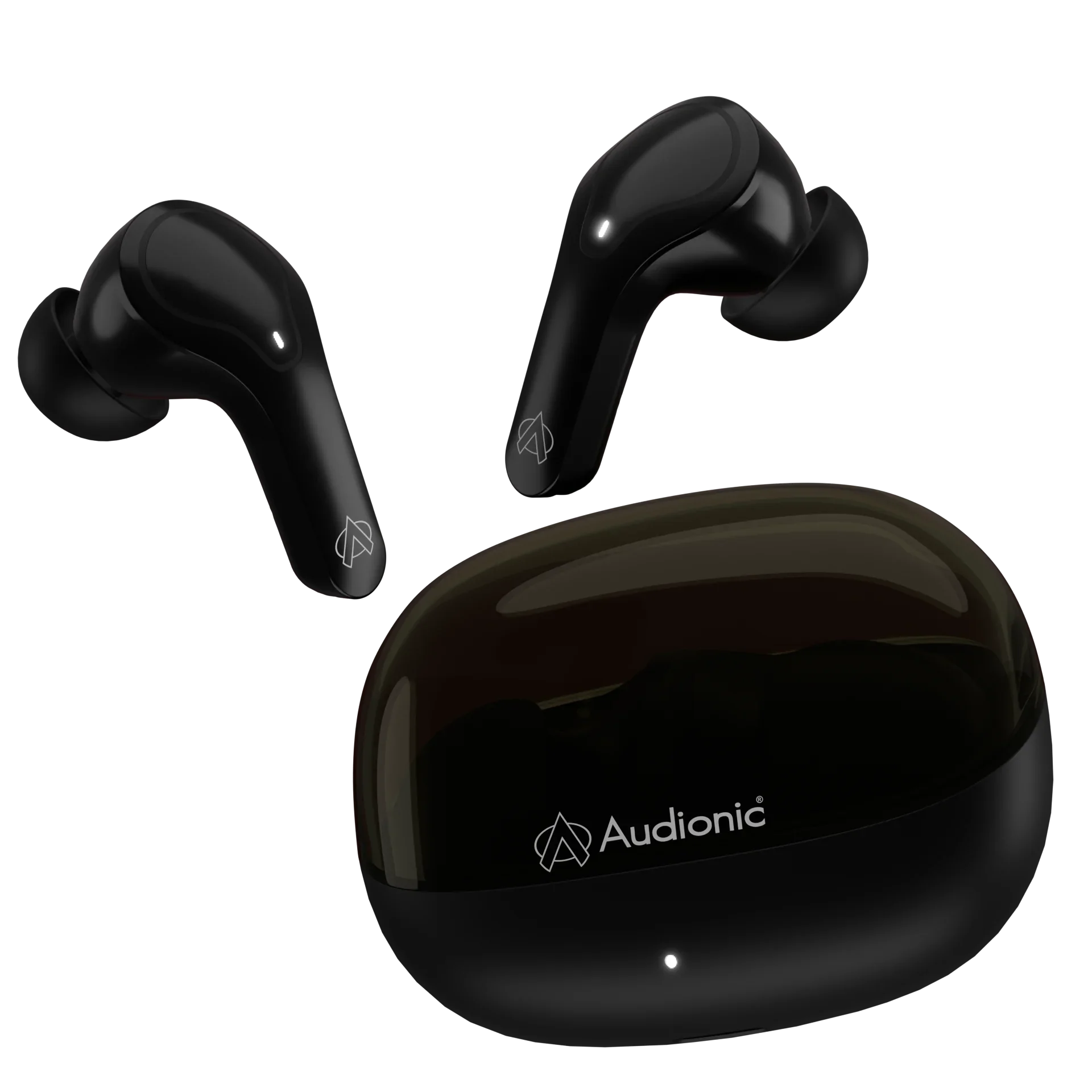
When shopping for wireless earbuds, most people look at design, sound quality, and battery life. Yet, one detail that often goes unnoticed is the Bluetooth version. You’ll see terms like Bluetooth 4.2, 5.0, 5.2, or even 5.3 in product descriptions, but many don’t fully understand what these numbers mean. In reality, the Bluetooth version in your earbuds plays a major role in how well they perform. It affects everything from sound clarity and stability to battery efficiency and latency.
Understanding the impact of Bluetooth versions is essential if you want to make a smart choice. In this blog, we’ll break down how different versions affect performance, why newer is usually better, and what it means for daily use.
The Basics of Bluetooth in Earbuds
Bluetooth is the wireless standard that allows your earbuds to connect to your phone, laptop, or other devices. It transmits audio data over short distances without the need for wires. But not all Bluetooth connections are created equal.
Each version brings improvements in speed, efficiency, and reliability. This means that earbuds with Bluetooth 5.2, for example, will often outperform those with Bluetooth 4.2, even if the sound drivers are identical.
Bluetooth 4.2 and Older: Outdated but Functional
If you’re using older earbuds with Bluetooth 4.2, you’ll notice limitations. While they still provide wireless audio, the connection can be less stable, especially in crowded areas with many signals. Latency—the delay between audio and video—also tends to be higher. This makes them less ideal for gaming or watching movies.
Battery efficiency is another weak point. Bluetooth 4.2 consumes more power compared to newer versions, which means your earbuds drain faster. While it works fine for basic listening, it struggles to keep up with modern user demands.
The Big Step Forward: Bluetooth 5.0
Bluetooth 5.0 marked a turning point for wireless audio. It introduced faster data transfer speeds and a wider range, meaning you can move further away from your device without dropouts. For earbuds, this translated into more stable connections and better sound reliability.
One of the most noticeable benefits of Bluetooth 5.0 is improved battery efficiency. Earbuds last longer on a single charge because the connection uses less power. Latency also improved, although it was still noticeable in fast-paced gaming.
For many users, Bluetooth 5.0 became the standard for everyday listening—balanced, efficient, and reliable.
The Refined Versions: Bluetooth 5.1, 5.2, and 5.3
After 5.0, new versions fine-tuned the technology rather than reinventing it.
- Bluetooth 5.1 introduced better location tracking and connection stability, though for earbuds the difference wasn’t dramatic.
- Bluetooth 5.2 brought a real game-changer with LE Audio (Low Energy Audio). This made sound transmission even more efficient, enabling features like multi-stream audio, where each earbud can connect independently to your device. This improved call quality and reduced delays.
- Bluetooth 5.3 built on this by enhancing power efficiency further and reducing interference from other wireless devices. This makes it ideal for environments like gyms, airports, or offices with lots of competing signals.
For anyone buying earbuds today, Bluetooth 5.2 or 5.3 is the gold standard, ensuring longevity and access to future audio technologies.
Sound Quality and Data Transmission
While drivers and tuning influence sound quality, the Bluetooth version decides how efficiently the audio data reaches your ears. Newer versions can transmit more data at once, reducing compression and preserving clarity.
For example, with Bluetooth 5.2 and support for advanced codecs like aptX Adaptive or LDAC, users experience richer sound with less distortion. Older versions, on the other hand, often rely on basic codecs that compress audio heavily, leading to a flatter sound.
Latency: A Critical Factor for Gamers and Streamers
Latency is where Bluetooth versions make a visible difference. If you’re watching a movie or playing a game, delayed audio ruins the experience. Bluetooth 4.2 and older often suffer from this, with noticeable lag between what you see and what you hear.
Bluetooth 5.0 reduced latency somewhat, but the later versions, especially 5.2, significantly improved synchronization. This is why gaming earbuds and professional headsets often highlight their Bluetooth version—low latency is a must.
Battery Life and Power Efficiency
One of the biggest advantages of newer Bluetooth versions is power management. Earbuds with Bluetooth 5.0 and beyond use less energy to maintain a strong connection, which directly translates to longer playtime.
For brands like Audionic, which focus on affordable yet feature-rich earbuds, adopting newer Bluetooth versions helps maximize battery performance. This ensures users enjoy hours of listening without frequent recharging.
Connectivity Range and Stability
With Bluetooth 4.2, you had to keep your phone close to avoid dropouts. Bluetooth 5.0 extended the range up to four times, allowing users to move freely in a room or gym without carrying their device. Bluetooth 5.2 and 5.3 further stabilized this, even in signal-heavy environments.
This stability matters more than most people realize. Constant reconnections or audio cutouts not only frustrate users but also drain battery faster. A stable connection ensures smooth usage whether you’re in a café, office, or on a jog.
Why You Should Care About Bluetooth Versions
Many buyers ignore Bluetooth version numbers, focusing only on features like ANC, design, or bass response. But the Bluetooth version determines how well all those features work. Without a reliable connection, even the best drivers won’t sound great. Without efficient transmission, battery life suffers.
If you’re investing in earbuds today, choosing a model with at least Bluetooth 5.2 is a smart decision. It ensures your earbuds are future-proof, efficient, and optimized for modern usage like gaming, streaming, and long calls.
Final Thoughts
The Bluetooth version in your earbuds is more than a technical detail—it’s the backbone of their performance. From sound quality and stability to latency and battery life, it shapes the entire listening experience.
Bluetooth 4.2 may still work for casual users, but it feels outdated in today’s fast-paced, wireless world. Bluetooth 5.0 offered a strong foundation, while versions 5.2 and 5.3 represent the peak of performance for earbuds today.
When choosing earbuds, don’t just ask about drivers, ANC, or design—check the Bluetooth version. It could be the difference between an average pair and one that truly enhances your everyday life.