Retaining structures are an essential part of many construction and landscaping projects. They help manage changes in ground level, protect soil from erosion, and create stable, usable outdoor spaces. When built correctly, these structures can last for decades. However, when important design elements are ignored, failure can occur much sooner than expected.
The strength of a retaining structure is not determined only by visible materials such as concrete blocks or stone. What happens behind the structure is just as important. Proper soil support and drainage systems play a critical role in long-term stability.
Why Retaining Structures Experience Stress
Soil constantly changes due to moisture, temperature, and pressure. When rainwater enters the soil behind a retaining structure, it increases weight and pressure. If this pressure is not managed correctly, it can cause cracking, leaning, or even collapse.
Some common stress factors include:
• Poor drainage
• Weak or loose soil
• Uneven pressure distribution
• Soil erosion behind the structure
Managing these factors early during construction helps avoid costly repairs later.
The Importance of Soil Reinforcement
Soil reinforcement improves the way soil behaves under load. Instead of allowing soil to move freely, reinforcement techniques help bind soil layers together and distribute pressure evenly.
This approach reduces the need for excessive concrete or oversized structures. Reinforced soil systems are lighter, more flexible, and often more cost-effective than traditional methods.
Understanding the Role of Support Layers
Support layers are placed between soil and backfill materials to improve separation, filtration, and drainage. These layers prevent fine soil particles from mixing with stone while allowing water to move freely.
By maintaining clean drainage paths and stable soil layers, these materials reduce pressure buildup and improve the overall performance of retaining structures.
How Reinforcement Improves Structural Performance
Geotextile for retaining wall applications is commonly used as a hidden reinforcement layer behind the structure. It strengthens the soil mass while supporting proper water movement.
Reducing Soil Movement
This reinforcement works by holding soil particles in place while allowing flexibility. Instead of shifting independently, soil layers behave as a single, more stable mass.
This reduces internal movement that can weaken retaining structures over time.
Managing Water Pressure
Water is one of the main causes of retaining structure failure. Reinforcement layers allow water to pass through while preventing soil loss.
This helps control hydrostatic pressure and keeps drainage systems functioning properly.
Applications in Different Types of Projects
Reinforced retaining structures are used across a wide range of residential, commercial, and environmental projects.
Residential Landscaping Projects
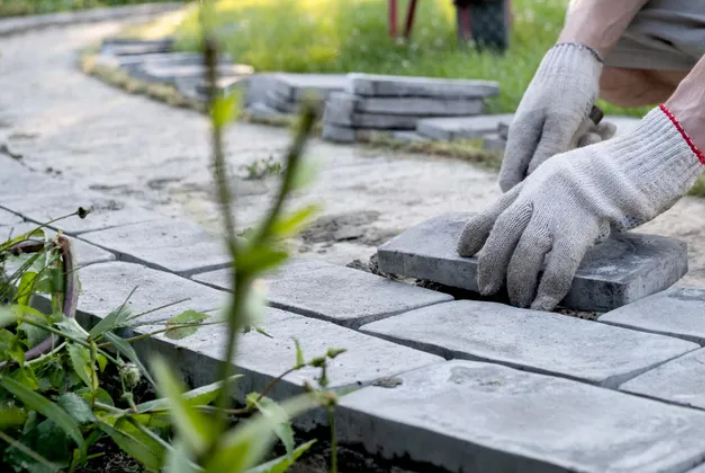
Homeowners often use retaining structures geotextile for retaining wall to level sloped yards, support driveways, or create garden terraces. Reinforcement layers help maintain neat appearance and prevent soil erosion.
They also reduce long-term maintenance by keeping soil and drainage materials properly separated.
See also: How Modern Homes Are Designed for Better Convenience and Everyday Efficiency
Commercial Construction and Infrastructure
Commercial developments and infrastructure projects require retaining structures that can handle heavy loads and constant use. Reinforcement improves load distribution and enhances safety.
These systems are commonly used in parking areas, road embankments, and commercial landscapes.
Environmental Protection and Erosion Control
In erosion-prone areas, retaining structures protect land from runoff and soil loss. Reinforcement layers stabilize soil while allowing natural water movement.
This makes them suitable for environmentally sensitive projects where drainage and soil protection are priorities.
Installation Practices That Matter
Correct installation is essential for achieving the full benefits of reinforcement. Even the best materials will fail if installed improperly.
Preparing the Site
The area behind the retaining structure should be free of debris, roots, and sharp objects. Proper grading ensures consistent contact between soil and reinforcement layers.
A well-prepared site reduces the risk of damage during installation.
Placement and Overlap
Reinforcement layers should be placed with adequate overlap to prevent soil from moving through seams. Overlapping improves continuity and overall strength.
Each layer must be positioned securely before adding backfill material.
Backfill and Compaction
Using clean, well-draining backfill supports effective water flow. Compaction should be done gradually to avoid placing excessive pressure on the structure during construction.
Following proper compaction methods improves stability and reduces future movement.
Durability and Long-Term Benefits
One of the key advantages of reinforced retaining systems is durability. These materials resist moisture, soil chemicals, and biological breakdown.
When installed correctly and protected from sunlight, they can perform effectively for many years. This long lifespan reduces repair costs and extends the service life of retaining structures.
Cost Efficiency and Practical Value
Although reinforcement adds to initial construction costs, long-term savings are significant. Reduced repairs, improved stability, and extended lifespan provide strong value over time.
Reinforced systems also allow more flexible designs, making it easier to adapt to site conditions without excessive material use.
Common Mistakes to Avoid
Several mistakes can reduce effectiveness:
• Choosing the wrong reinforcement type
• Ignoring drainage requirements
• Insufficient overlap between layers
• Poor backfill material selection
Avoiding these errors helps ensure consistent performance and long-term reliability.
Environmental Considerations
Reinforced retaining structures help reduce erosion and sediment runoff. Improved drainage protects nearby soil and water systems from damage.
By extending structural lifespan, fewer materials are needed for repairs or replacements, supporting more sustainable construction practices.
Final Thoughts
Retaining structures are essential for managing land, protecting soil, and creating functional outdoor spaces. Their long-term success depends on more than surface materials alone.
Geotextile for retaining wall applications strengthens soil, improves drainage, and reduces pressure behind structures. When installed correctly and combined with proper design, it provides reliable performance for residential, commercial, and environmental projects.
Investing in proper soil reinforcement ensures safer structures, lower maintenance needs, and outdoor spaces built to last.