DIY roofing repairs often lead to unforeseen expenses that overshadow initial savings. Using mismatched materials can end up causing severe long-term damage.
If you’re climbing on a roof without the right gear or training, you’re putting yourself at serious risk — falls are a leading cause of injury during home repairs.
Many roofing warranties can become void if an unlicensed individual makes repairs, which might surprise you with unexpected costs when it’s time for a major replacement.
Signs like missing shingles or sagging roof lines? They signal bigger problems that need a professional’s eye to prevent costly structural damage.
Recommendations and verified credentials are vital when selecting a roofing expert, ensuring quality work and responsibility.
There’s plenty of misinformation flying around about roofing longevity. Regular maintenance is essential, and not all materials will hold up equally under different weather conditions.
Sure, the upfront cost may be higher for quality materials, but down the road, they can save you a lot of money and give you peace of mind by reducing future repair needs.
The Hidden Costs of DIY Roofing Repairs
Why Taking Shortcuts Can Cost You More
DIY roofing repairs carry hidden costs that often overshadow any initial savings. A small fix might only cost a few bucks at first, but let’s think about the long-term consequences. Here’s the scoop.
The first blunder most people make is using mismatched materials. This isn’t just an aesthetic issue. A poor match can mess with seal integrity, insulation, and can lead to water damage. Imagine saving a few hundred bucks now but winding up spending thousands later. Not the smartest financial move, right?
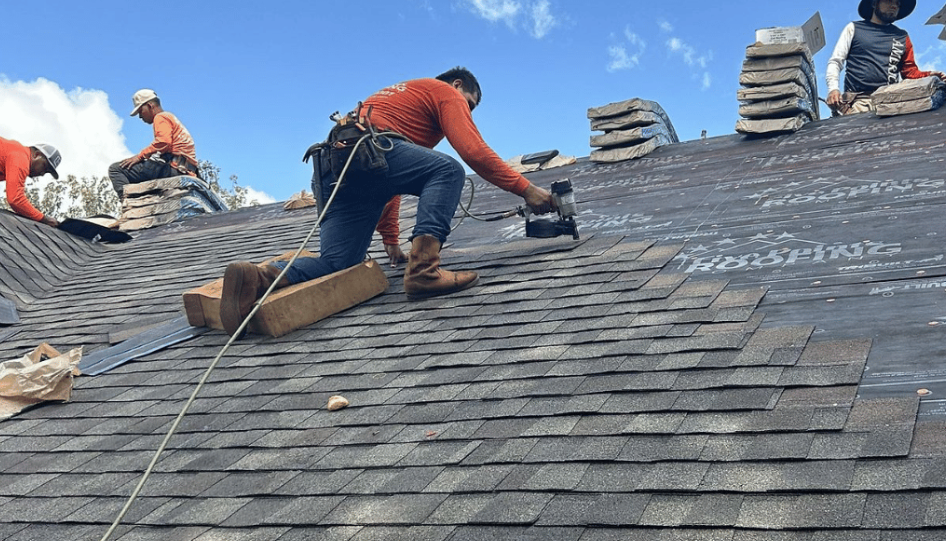
Then there’s the risk factor. Climbing onto a roof isn’t simply risky; it’s downright dangerous if you don’t have the right equipment or training. Falls are one of the biggest causes of injury during home repairs. So ask yourself, is it worth risking your health for a few bucks?
- Choosing the correct materials is crucial.
- Always calculate the total costs, not just the immediate ones.
- Don’t forget safety training and equipment.
The Risk Factors You Might Overlook
So what else might you be missing? Your warranty, for one. Many manufacturers will void warranties if repairs are done by unlicensed workers. Imagine paying a hefty sum for a roof replacement only to realize your DIY fixes forfeited your warranty. That stings.
Also, don’t overlook structural integrity. Without the right expertise, how can you really be sure that your roof’s underlying components are in good shape? A quick fix could conceal significant issues. A leak today might lead to a mold issue tomorrow. Dealing with that isn’t cheap. A single major repair can balloon in costs.
“Roof maintenance is more than just patching; it’s all about foresight. Quick fixes can come back to haunt you.”
When to Call a Professional Roofer
Signs Your Roof Needs Immediate Attention
Some signs are pretty obvious, yet we often push them to the side. If you see missing shingles, that’s your wake-up call. The moment you notice bare spots, time starts ticking. Weather damage isn’t merely cosmetic — it can lead to leaks and structural weakening. Not ideal.
And then there are sagging roof lines. This could signal potential structural problems that could become disastrous if ignored. Your roof is supposed to protect your home, so don’t wait until it’s literally caving in.
- Water stains appearing on walls or ceilings.
- Mold growth in the attic.
- Shingle granules piling up in gutters.
See also: How Modern Homes Are Designed for Better Convenience and Everyday Efficiency
How to Choose the Right Roofing Expert
So, who do you turn to when you realize it’s time to leave DIY behind? Picking the right roofing expert matters. Simply typing “roofing repair services” into your search engine won’t cut it. You need to dig deeper.
Start out by asking for recommendations. If your neighbor just had a roof replacement, their experience is worth your attention. I’ve found that word-of-mouth often leads to the best contractors who might not be on everyone’s radar yet.
“A good reputation is priceless. Look for a roofer who comes recommended, not just advertised.”
Next, verify those credentials. Is the roofer insured? Licensed? If they lack these essential details, that could mean trouble if anything goes wrong. And, it’s crucial to check their reviews and past work. Their portfolio will tell you a lot about their craftsmanship and reliability.
- Gather multiple quotes to ensure you’re getting a fair deal.
- Look for industry credentials that signify expertise.
- Talk to previous clients for honest feedback.
The Truth Behind Common Roofing Myths
Fact vs. Fiction: What You Really Need to Know
Your neighbor thinks he knows roofing? Better think again. Let’s clear up a few myths. Firstly, roofs aren’t invincible. Many folks believe a roof is a “set it and forget it” type of deal. Not true. Regular maintenance and inspections are essential if you want your roof to function well.
Another common misconception? That higher costs automatically mean better quality. Just because a service charges a fortune doesn’t mean they know what they’re doing. I’ve hired expensive contractors who delivered poor results, while budget options have pleasantly surprised me with stellar work.
- Replacement isn’t always necessary; some repairs can extend lifespan.
- DIY doesn’t guarantee savings — it could cost more than hiring a pro.
- Climate matters for roof longevity — it’s not just about materials.
Debunking Misconceptions About Roof Lifespans
Now, let’s discuss lifespan. I often hear homeowners say that one type of roofing material will last “forever.” Asphalt shingles? Typically around 20 years, if you’re lucky. Metal could last about 50 years, but only with proper maintenance. Don’t assume all materials have the same lifespan! Weather conditions play a massive role too.
Another myth: downgrading roofing materials to save cash will actually save you. That could get you a product that forces you to replace it sooner. Is that what you want? Losing more money in the long run is definitely harder to swallow than wisely investing upfront.
Quality vs. Quantity: Selecting Roofing Materials
The Impact of Material Choices on Longevity
Let’s dive into materials. Choosing roofing isn’t just about finding the cheapest option; it’s about durability and performance. Ever wonder why some roofs withstand hurricanes while others crumble? Much of it boils down to material selection.
For example, metal roofs can hold up against fierce winds thanks to their interlocking panels, while shingles might buckle and tear unexpectedly. Investing in high-quality materials pays off over time — who wants to fork out for the same roof more than once?
- Asphalt shingles: cost-effective but short-lived.
- Metal roofs: high initial expense but excellent longevity.
- Tile: offers stunning looks and remarkable durability.
Budgeting for High-Performance Products
Budgeting carefully can be tough, but here’s the thing: investing in high-performance products saves you from having to cough up for repairs later. Sure, they might be pricier at first, but how much is that peace of mind truly worth? Plus, fewer repairs mean also fewer hassles.
So, what’s on your budgeting radar? Be sure to include material costs, labor, and any necessary permits or inspections that might sneak up on you. Hidden costs are always lurking, so stay alert. Honestly, cutting future expenses can change everything.
- Put money towards quality materials instead of cheaper alternatives.
- Don’t forget to allocate for routine maintenance in your budget.
- Consider financing options if needed—safety should never be compromised.
FAQ
How do weather conditions affect roofing longevity?
Weather plays a significant role in how long your roof will last. Extreme temperatures, heavy rain, or constant humidity can wear down roofing materials faster than you think. Choosing materials that suit your climate could mean the difference between a roof lasting twenty years and one that endures for fifty.
What are the signs that I should replace my roof instead of repairing it?
Sometimes, repairs just won’t cut it. If you’re constantly patching leaks or if your roof is older than twenty years, those are big red flags. Other signs to watch for? Sagging areas or a roof covered in granules mean it’s time to start thinking about a replacement.
Are all roofing materials equally sustainable?
No, not even close. Some materials are a whole lot more eco-friendly than others. For instance, metal roofs can be recycled after their lifespan, whereas asphalt shingles just end up in landfills. If sustainability is important to you, take the time to research the lifecycle of materials before making your selection.
What’s the best way to maintain my roof over time?
Regular maintenance and inspections are key. I suggest getting a professional to check your roof at least once a year, especially after severe weather events. Clear your gutters and keep an eye out for any signs of damage; catching problems early can save you from costly repairs down the line.
How do I know if a roofing contractor is trustworthy?
Begin by seeking referrals. A good reputation in your community is worth its weight in gold. Don’t forget to verify licenses and check their insurance documents; anything missing should raise alarm bells. Also, while you’re at it, read online reviews but keep an analytical mind — look for trends rather than just isolated complaints.
What’s the financial impact of choosing low-quality materials?
Opting for low-quality materials might save you a few bucks in the short run, but it’s going to cost you down the line. Cheap materials often require more repairs and could even mean a full roof replacement sooner than you expect. In the long run, you’ll end up spending a lot more money, which is definitely a bitter pill to swallow.
Can I finance a roof replacement if my budget is tight?
You bet. Many roofing contractors offer financing options that let homeowners spread out the cost over time. Just make sure to read the fine print and check the interest rates — you don’t want to end up in a financial bind because of a temporary savings.
How can I ensure my new roof is properly installed?
Stay involved with your contractor during the installation process. Make sure they’re adhering to the project timeline and using the materials laid out in your contract. Don’t hesitate to ask questions; a reputable roofer will be happy to answer and reassure you that everything’s going according to plan.
Useful Resources
- National Association of Home Builders (NAHB)
- Angie’s List
- Institute of Inspection, Cleaning and Restoration Certification (IICRC)
- National Roofing Contractors Association (NRCA)
- U.S. Environmental Protection Agency (EPA)
- Consumer Reports
- HomeAdvisor
- Roofing Contractor Magazine
- Home Builders Association (HBA)