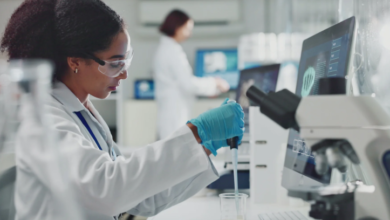
The Role of the Oncologist in Patient Care
Cancer remains one of the leading health challenges globally, affecting millions of individuals each year. The treatment and management of cancer have evolved significantly, thanks to advancements in medical research, technology, and patient-centered care. Central to this progress is the oncologist, a medical professional who specializes in the diagnosis, treatment, and ongoing care of cancer patients.
An oncologist does more than prescribe treatments; they assess patient conditions, interpret diagnostic tests, recommend personalized therapy plans, and monitor progress throughout the treatment journey. They also serve as an essential support system, helping patients navigate the emotional and psychological impact of a cancer diagnosis.
Types of Oncologists
Medical Oncologists
Medical oncologists focus on systemic treatments, including chemotherapy, immunotherapy, and targeted therapy. They analyze a patient’s unique condition and design treatment plans that optimize effectiveness while minimizing side effects. For patients undergoing long-term therapies, medical oncologists continually evaluate progress and adjust treatment to achieve the best possible outcomes.
Surgical Oncologists
Surgical oncologists specialize in removing tumors and affected tissues. Surgery is often a critical component of cancer treatment, particularly for solid tumors. Surgical oncologists work closely with other specialists, including medical and radiation oncologists, to ensure that surgeries are carefully timed and integrated into the broader treatment plan.
Radiation Oncologists
Radiation oncologists employ high-energy radiation to target cancer cells while preserving surrounding healthy tissue. Techniques such oncologist as intensity-modulated radiation therapy (IMRT) and stereotactic radiosurgery allow for precise treatment. Radiation oncologists develop comprehensive plans that maximize tumor control and minimize complications.
Innovations in Cancer Treatment
Precision Medicine
Precision medicine has revolutionized oncology by tailoring treatments to a patient’s genetic profile and the specific molecular characteristics of their tumor. By identifying mutations and biomarkers, oncologists can select therapies that are more effective and less toxic than traditional approaches. Personalized treatment plans improve outcomes and enhance the patient experience.
Immunotherapy
Immunotherapy utilizes the body’s immune system to fight cancer. This approach has shown promising results in conditions such as melanoma, lung cancer, and certain types of lymphoma. Oncologists assess eligibility, monitor patient response, and manage side effects to ensure safe and effective treatment.
Minimally Invasive Surgery
Advances in surgical technology, including laparoscopic and robotic-assisted procedures, have enabled oncologists to perform complex operations with smaller incisions, reduced recovery times, and lower risks of complications. These minimally invasive techniques improve patient outcomes and reduce the physical and emotional stress of surgery.
Early Detection and Screening
Early detection is critical for improving survival rates. Oncologists emphasize regular screenings and preventive check-ups, such as mammograms, colonoscopies, and genetic testing, to detect cancer at an early stage. Timely diagnosis allows for more effective treatment and a higher likelihood of long-term remission.
See also: Achieving Healthy Tomato Crops Through Proper Soil Balance
The Patient-Oncologist Relationship
The patient-oncologist relationship is built on trust, empathy, and communication. Cancer treatment often involves long-term care, and oncologists guide patients through complex medical decisions while providing emotional support.
Patients may face challenges such as fatigue, nausea, or anxiety during treatment. Oncologists help manage these side effects, provide counseling, and adjust treatment plans when necessary. A strong relationship ensures that patients remain informed, supported, and confident in their care.
Challenges in Modern Oncology
Complex Treatment Decisions
Cancer care often requires multiple treatment modalities, including surgery, chemotherapy, radiation, and emerging therapies. Oncologists must carefully evaluate tumor characteristics, patient health, and personal preferences to develop the most effective treatment strategy. Navigating these decisions requires skill, experience, and clear communication with patients.
Emotional and Psychological Support
Receiving a cancer diagnosis can trigger emotional distress, including anxiety, depression, and fear. Oncologists often collaborate with mental health professionals to provide comprehensive care that addresses both physical and psychological needs. Holistic support is essential for improving patient adherence and overall well-being.
Accessibility and Equity
Not all patients have equal access to specialized oncology care. Geographic, financial, and systemic barriers can limit treatment options. Oncologists advocate for equitable access to care, striving to ensure that all patients receive the best possible therapies regardless of socioeconomic factors.
Emerging Trends in Oncology
Artificial Intelligence and Data Analytics
Artificial intelligence (AI) is increasingly being used to support oncologists in diagnostics, treatment planning, and predictive analysis. AI helps identify patterns in medical data, improves the accuracy of imaging interpretation, and assists in selecting the most effective treatment strategies.
Personalized Combination Therapies
Future oncology treatments are likely to involve personalized combinations of chemotherapy, targeted therapy, immunotherapy, and lifestyle interventions. Oncologists coordinate these multifaceted plans to maximize therapeutic efficacy and minimize side effects.
Telemedicine in Cancer Care
Telemedicine has become a valuable tool for oncologists, offering remote consultations, follow-ups, and patient monitoring. Virtual appointments enhance access to care, reduce travel burdens, and allow oncologists to closely track patient progress between in-person visits.
Preventive Oncology
Preventive strategies are increasingly emphasized in cancer care. Oncologists work with patients to identify risk factors, provide lifestyle guidance, and recommend preventive measures such as vaccines and genetic screening. Early intervention and risk reduction play a crucial role in reducing cancer incidence and improving outcomes.
The Future of Oncology
Oncology is moving toward a patient-centered, technology-driven, and holistic approach. Precision medicine, immunotherapy, minimally invasive surgery, AI-assisted diagnostics, and telemedicine are transforming cancer treatment into a more efficient and effective process.
The role of the oncologist remains central in coordinating care, providing expertise, and supporting patients through the physical and emotional challenges of cancer. By combining medical knowledge with innovative technologies and compassionate care, oncologists help patients navigate the complex landscape of cancer treatment successfully.
Conclusion
The field of oncology has experienced remarkable advancements, offering patients more precise, personalized, and effective treatments than ever before. Oncologists are at the heart of this evolution, guiding patients through diagnosis, treatment, and recovery while addressing both physical and emotional needs.
From precision medicine and immunotherapy to minimally invasive surgery and telemedicine, modern cancer care emphasizes individualized treatment plans that improve survival rates and quality of life. As technology, research, and patient-centered care continue to evolve, the oncologist will remain a vital figure in shaping the future of cancer treatment, providing hope and healing to patients around the world.