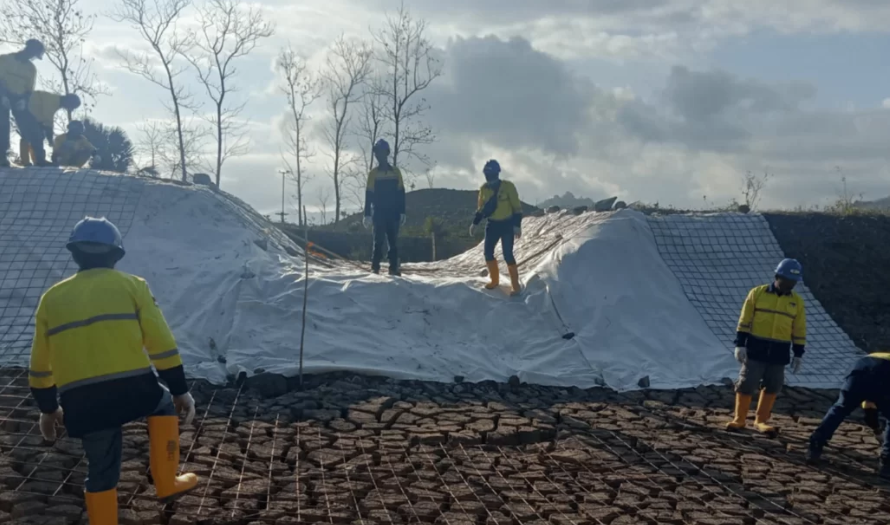
Introduction to Bidim geotextile
Bidim geotextile is a type of nonwoven geotextile widely used in civil engineering and construction projects. Manufactured using polypropylene fibers through a needle-punching process, Bidim geotextile provides excellent filtration, separation, and drainage capabilities. Its durability, versatility, and ease of installation make it a popular choice for roads, retaining walls, drainage systems, and erosion control projects.
By controlling soil movement and allowing water to flow, Bidim geotextile ensures the long-term stability of infrastructure while reducing maintenance requirements.
What Is Bidim geotextile?
bidim geotextile is a synthetic fabric engineered for soil filtration and separation. It allows water to pass through while retaining soil particles, preventing clogging of drainage systems. Key functions include:
- Soil separation
- Filtration of fine soil particles
- Drainage support
- Erosion control
- Subgrade reinforcement
Its high permeability and strength make Bidim geotextile suitable for both temporary and permanent construction applications.
Types of Bidim geotextile
Although Bidim geotextile is primarily nonwoven, it is available in different weights and thicknesses to suit specific engineering needs:
Lightweight Bidim
- Suitable for temporary works and minor drainage
- Easy to handle and install
- Provides adequate filtration for fine soils
Medium-Weight Bidim
- Used in road construction, embankments, and retaining walls
- Offers improved puncture resistance and filtration efficiency
Heavy-Weight Bidim
- Ideal for high-stress applications such as landfill liners, large drainage systems, and erosion control under riprap
- Provides maximum durability and resistance to damage during installation
See also: How Advertising Fuels Business Growth And Innovation
Key Performance Characteristics
Permittivity
Bidim geotextile allows water to pass through efficiently, preventing hydrostatic pressure buildup behind retaining walls or within drainage layers.
Apparent Opening Size (AOS)
The AOS ensures that soil particles are retained while water flows freely. Correct AOS selection prevents clogging and maintains drainage performance.
Tensile Strength
High tensile strength ensures the fabric can withstand installation stresses and soil loads, especially in road and embankment applications.
Puncture Resistance
Puncture resistance protects the fabric in environments with coarse aggregates or heavy construction equipment.
Applications of Bidim geotextile
Road and Highway Construction
Bidim geotextile separates subgrade soil from aggregate base layers, improving road stability and extending pavement life.
Retaining Walls
Placed behind retaining walls, Bidim geotextile ensures proper drainage, prevents soil migration, and reduces hydrostatic pressure.
Drainage Systems
In French drains, underdrains, and subsurface drainage systems, Bidim geotextile surrounds gravel or perforated pipes, allowing water infiltration while retaining soil particles.
Landfills and Environmental Projects
Bidim geotextile is used in landfill drainage layers and leachate collection systems to prevent clogging and improve fluid transport.
Erosion Control
Under riprap or gabion structures, Bidim geotextile prevents soil washout while maintaining water flow and stabilizing the ground.
Advantages of Using Bidim Geotextile
- Lightweight and easy to install
- Excellent filtration and separation properties
- Reduces aggregate and construction material requirements
- Durable and resistant to installation damage
- Cost-effective for both small and large-scale projects
These advantages make Bidim geotextile an ideal solution for engineers seeking reliable, long-lasting, and environmentally responsible construction materials.
Design and Installation Considerations
Soil Compatibility
Select the appropriate weight and opening size of Bidim geotextile for the soil type to prevent clogging.
Hydraulic Conditions
Consider water flow rates and pressure when choosing the fabric’s permeability to ensure efficient drainage.
Proper Installation
Level the subgrade, overlap fabric seams, and place aggregates carefully to avoid tearing or displacement.
Environmental Protection
Cover exposed fabrics promptly to protect against UV degradation and maintain long-term performance.
Contribution to Sustainable Infrastructure
Bidim geotextile supports sustainable construction by:
- Reducing soil erosion
- Improving water management
- Minimizing maintenance and repair costs
- Extending the service life of structures
Its multifunctional properties allow engineers to create durable, eco-friendly infrastructure solutions.
Conclusion
Bidim geotextile is a versatile and durable nonwoven fabric used in soil stabilization, drainage, and erosion control. Its ability to allow water flow while retaining soil particles ensures long-term structural stability in roads, retaining walls, drainage systems, and environmental projects.
Proper selection, design, and installation of Bidim geotextile maximize filtration efficiency, prevent soil migration, and contribute to sustainable construction practices.
Frequently Asked Questions
What is Bidim geotextile used for?
Bidim geotextile is used to separate soil from drainage layers, enhance water flow, prevent erosion, and stabilize subgrades in construction projects.
What types of Bidim geotextile are available?
It is available in lightweight, medium-weight, and heavy-weight forms, depending on the application and stress conditions.
Can Bidim geotextile prevent hydrostatic pressure?
Yes, by allowing water to drain efficiently, it reduces hydrostatic pressure behind walls and other structures.
How long does Bidim geotextile last?
With proper installation and protection from UV exposure, it can last several decades.
Is Bidim geotextile environmentally friendly?
Yes, it supports erosion control, improves drainage efficiency, and promotes sustainable construction practices.