Why community based fitness matters
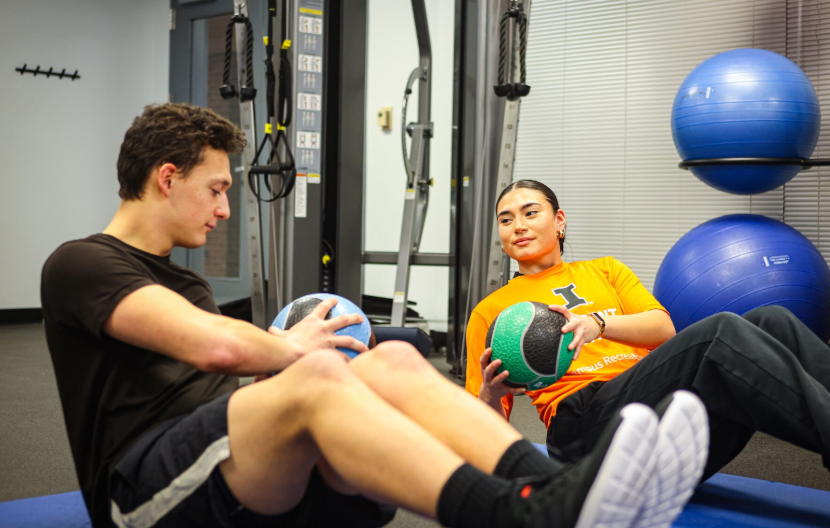
Community fitness programs play an important role in keeping people active, healthy, and connected. These programs are not about competition or extreme performance. They focus on enjoyment, safety, and long term participation. Recreation based fitness helps people of all ages stay active in a welcoming environment.
For education focused platforms like CPR Certification Now, community wellness aligns with safety, inclusion, and public health. Well designed recreation programs encourage movement without pressure. They support physical health while also building social connections.
When fitness feels fun and accessible, people are more likely to stay involved. Community programs create spaces where movement becomes part of everyday life.
Understanding the purpose of recreational fitness
Recreation fitness programs are different from athletic training. The goal is participation, not perfection. These programs welcome beginners, older adults, and people returning to activity after time away.
Key purposes of recreational fitness include:
- Promoting regular physical activity
- Supporting overall health and mobility
- Encouraging social interaction
- Reducing stress through movement
Designing programs with these goals in mind helps communities thrive. Fitness becomes something people look forward to rather than avoid.
Knowing the community you serve
Every community is different. Age range, fitness level, cultural background, and available space all influence program design. Successful programs begin with understanding participant needs.
Important factors to consider include:
- Average age of participants
- Common health concerns
- Available facilities or outdoor spaces
- Preferred activity times
Programs should feel relevant and welcoming. Asking for feedback helps leaders adjust activities to better serve participants. Listening builds trust and increases attendance.
A people first approach improves long term success.
Creating inclusive and welcoming programs
Inclusion is a core part of community wellness. Programs should be designed so everyone feels comfortable joining, regardless of experience or ability.
Inclusive design strategies include:
- Offering movement options for different levels
- Avoiding complex instructions
- Using positive and encouraging language
- Allowing rest when needed
Participants should never feel judged. When people feel safe and supported, they are more willing to try new activities. Inclusion keeps programs accessible and enjoyable.
Choosing activities that support wellness
Recreation fitness focuses on simple, effective movement. Activities should improve strength, mobility, balance, and endurance without excessive strain.
Popular recreation activities include:
- Group walking sessions
- Light strength and resistance exercises
- Stretching and mobility classes
- Low impact cardio games
Variety keeps programs interesting. Rotating activities helps prevent boredom and supports different fitness needs. Sessions should leave participants feeling energized, not exhausted.
Enjoyment is just as important as physical benefit.
Safety as a top priority
Safety is essential in any fitness setting. Recreation programs often include participants with different health backgrounds. Clear guidelines help prevent injury and build confidence.
Basic safety practices include:
- Proper warm ups and cool downs
- Clear instructions and demonstrations
- Encouraging hydration
- Watching for signs of fatigue or discomfort
Leaders should create an environment where participants feel comfortable speaking up. Safety builds trust and supports long term participation.
Education focused communities value programs that protect health while promoting movement.
Structuring programs for consistency
Consistency helps people build habits. Programs should follow a predictable structure so participants know what to expect.
A simple class structure may include:
- Gentle warm up
- Main activity or game
- Strength or balance focus
- Cool down and stretching
Consistent schedules also support attendance. When people know when and where programs happen, they are more likely to return. Reliability builds strong community engagement.
See also: Achieving Healthy Tomato Crops Through Proper Soil Balance
Encouraging social connection through movement
Recreation fitness supports mental and emotional health as well as physical health. Social connection is a major benefit of community programs.
Ways to encourage connection include:
- Partner or small group activities
- Friendly group challenges
- Time for conversation before or after sessions
- Celebrating participation milestones
When people feel connected, they stay involved. Social bonds turn fitness programs into community traditions.
Movement becomes a shared experience rather than a solo task.
Adapting programs for different age groups
Community programs often include multiple age groups. Activities should be flexible and adaptable to meet varying needs.
Helpful adaptation strategies include:
- Offering seated and standing options
- Adjusting pace and intensity
- Using simple equipment when needed
- Allowing participants to self regulate effort
Adaptability supports safety and comfort. Programs that respect individual limits create positive experiences for everyone.
Measuring success beyond numbers
Success in recreational fitness is not only about attendance or intensity. It is about impact and consistency.
Signs of successful programs include:
- Regular participation
- Positive feedback from participants
- Improved confidence and energy
- Strong sense of community
Small wins matter. Smiles, conversations, and repeat attendance are meaningful indicators. Wellness grows through consistency, not pressure.
Education for recreation leaders
Designing effective recreation programs requires knowledge and planning. Leaders benefit from learning about group fitness, safety, and program structure.
Education supports leaders by helping them:
- Plan inclusive activities
- Manage group dynamics
- Adapt exercises safely
- Communicate clearly and confidently
Building healthier communities through movement
Recreation Certification programs bring people together through shared movement. They support physical health, mental wellbeing, and social connection. When programs are designed with care, they become valuable community resources.
By focusing on inclusion, safety, and enjoyment, fitness becomes accessible to more people. These programs help communities stay active and connected at every stage of life.
For health and safety focused audiences, community wellness programs reflect responsibility and care. When movement is welcoming and supportive, everyone benefits. Recreation based fitness creates stronger, healthier communities built on participation and trust.