Introduction to XRF
X-ray fluorescence (XRF) has become an essential tool in modern laboratories, providing rapid and non-destructive elemental analysis across a wide range of samples. From metals and alloys to environmental and geological materials, XRF allows scientists to identify and quantify elements accurately and efficiently.
Among the leading instruments in this field, the Drawell XRF stands out for its precision, reliability, and user-friendly design. Many laboratories trust this technology to deliver reproducible and accurate results for both routine testing and research applications.
How the Drawell XRF Works
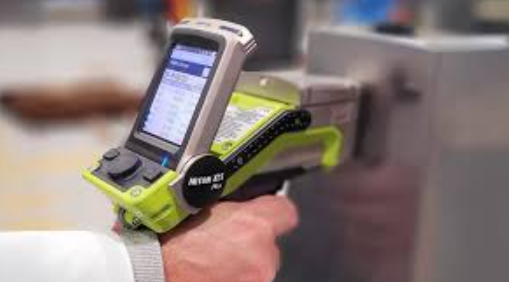
The Drawell XRF operates by directing high-energy X-rays onto a sample, exciting the atoms within the material. These excited atoms emit secondary X-rays, known as fluorescence, which are characteristic of the elements present. By measuring the energy and intensity of these emitted X-rays, the instrument determines the sample’s elemental composition.
This method allows laboratories to analyze multiple samples quickly, with minimal preparation and without damaging the material. The Drawell XRF is particularly suitable for complex or heterogeneous samples due to its high sensitivity and precision.
Applications in Environmental Monitoring
Environmental laboratories rely on XRF instruments to detect and quantify trace metals in water, soil, and air. Rapid detection of heavy metals such as lead, arsenic, and mercury is critical for maintaining public health and regulatory compliance.
The Drawell XRF is ideal for these applications because it provides fast, accurate, and reproducible results. Laboratories can efficiently monitor pollutants and take corrective actions to mitigate environmental risks.
Industrial and Manufacturing Applications
XRF technology is widely used in industry and manufacturing for quality control and materials analysis. It helps determine the composition of metals, alloys, and raw materials, ensuring products meet strict specifications and safety standards.
The Drawell XRF delivers real-time data, enabling manufacturers to make quick decisions during production. Its durability, reliability, and ease of use make it a preferred instrument for both laboratory and on-site industrial analysis.
Academic and Research Applications
In academic and research settings, XRF instruments provide valuable educational and experimental insights. Students learn to handle instruments, prepare samples, and interpret spectra, gaining practical experience in elemental analysis.
Researchers benefit from the Drawell XRF’s accuracy and reproducibility for studies involving geological samples, environmental monitoring, or advanced material analysis. The instrument supports high-quality, publishable research by delivering dependable data.
Technological Advancements in XRF
Modern XRF instruments, including the Drawell XRF, feature advanced detectors, enhanced optics, automated sample handling, and integrated data analysis software. These improvements increase sensitivity, reduce errors, and streamline laboratory workflows.
Selecting a Drawell XRF from a trusted supplier also ensures access to technical support, maintenance, and calibration services. This guarantees long-term performance and reliability, which are crucial for laboratories performing high-precision analysis.
Best Practices for Using XRF Instruments
To achieve optimal performance, laboratories must follow best practices when using XRF instruments. Proper sample preparation, routine calibration, and adherence to standard operating procedures are essential.
The Drawell XRF supports these practices by offering consistent performance, ease of use, and reliable data output. With proper maintenance and technical support, laboratories can maintain accuracy, reduce downtime, and improve efficiency in their analysis workflows.
Conclusion
XRF technology has revolutionized elemental analysis, providing fast, non-destructive, and accurate measurement capabilities across industries and research fields. The Drawell XRF stands out as a high-performing instrument, delivering precision, reliability, and advanced functionality for modern laboratories.
By integrating Drawell XRF instruments into their operations, laboratories can achieve reproducible results, streamline workflows, and maintain compliance with industry standards. As demand for accurate and efficient elemental analysis continues to grow, the Drawell XRF remains an indispensable tool in scientific research, environmental monitoring, and industrial applications.